


Synchronic Constellation: Cross-Boundary Perspectives in Art
List of Works (PDF)
List of Exhibited Documents (PDF)
The Museum of Contemporary Art Tokyo is pleased to present “Synchronic Constellation: Cross-Boundary Perspectives in Art,” an exhibition that reconsiders the cultural and artistic modernity of Taiwan and Japan. The show draws inspiration from a film on the Le Moulin Poetry Society, a collective of modernist writers founded in Taiwan in the 1930s. Featuring approximately 200 modern Taiwanese artworks, 500 related archival materials, and 100 contemporaneous Japanese pieces, the exhibition maps a constellation of intercultural exchange, inviting viewers to rethink modernity through from today’s vantage point.
The film Le Moulin (2015, released in Japan in 2017) traces the efforts of a group of poets who introduced Surrealism to Taiwan during the Japanese colonial period and composed their own verses in Japanese, weaving together a diverse body of work from across multiple regions, generations, and genres. The film offers no fixed narrative, leaving room for each viewer to form their own interpretation. Its director, Huang Ya-li, serves as guest curator for the present exhibition. The six chapters of the show translate Le Moulin’s reflections, along with its editing techniques, into the space of the museum, bringing together artworks, literature, cinema, music, theater, and dance in a montage-like constellation. The galleries itself thus functions as a device that generates intersections of multiple relationships, implicating the viewers themselves, through its incorporation of footage directed by Huang Ya-li, reflective surfaces, and a seemingly labyrinthine floor plan.
The individual endeavors in modern Taiwan and Japan each possessed a radiance of their own. While not geographically adjacent, they belonged to the same era, linked together like stars in multiple constellations. The present exhibition seeks to distance itself from existing narratives and linear conceptions of history, fostering instead complex and diverse connections, not only among the works themselves, but also with our own bodies and perspectives. Encountered in that space, these artworks and documents emerge not as mere fragments of the past but as experiences of the present—an invitation to reexamine our own point of view.
Exhibited Works and Featured Artists
This exhibition consists of approximately 200 paintings, sculptures, prints, and photographs. This is supplemented with around 500 archival materials sourced from over 15 Taiwanese institutions including the Tainan Art Museum, Taipei Fine Arts Museum, National Taiwan Museum of Fine Arts, Kaohsiung Museum of Fine Arts, and National Taiwan Library, as well as private collections.
The featured artists are essential to understanding modern Taiwanese art such as HUANG Tu-shui (1895–1930), CHEN Cheng-po (1895–1947), HO Te-lai (1904–1986), LIN Yu-shan (1907–2004), KUO Hsueh-hu (1908–2012), HONG Rui-lin (1912–1996), HUANG Tsao-tsao (1915–1999), CHEN Hsiayu (1917–2000), and CHUANG Shih-ho (1923–2020).
HUANG Ya-li
Huang Ya-li is a curator and filmmaker. He has long been dedicated to the interdisciplinary exploration and practice of arts and literature. At the core of his work is the excavation and reconstruction of forgotten cultural nodes within Asian modern and contemporary history. His film Le Moulin (2015) won Best Documentary at the Golden Horse Awards and received multiple honors at the Taiwan International Documentary Festival (TIDF). He curated the exhibition Synchronic Constellation: Le Moulin Poetry Society and Its Time — A Cross-Boundary Exhibition at the National Taiwan Museum of Fine Arts in 2019, and the accompanying publication received numerous accolades.
Chapter Overview and Exhibited Works
Chapter1: Between Translation and Creation
In Taiwan under Japanese rule, Western art and ideas were introduced through Japanese educational systems and art institutions, or brought back by Taiwanese students educated in Japan. Building on the foundations laid in previous decades, artists and writers in the 1920s and 1930s began exploring new possibilities for artistic expression.
In particular, the Tai-ten (Taiwan Fine Arts Exhibition), established in 1927 on the model of Japan’s Tei-ten (Imperial Academy Art Exhibition), became a crucial venue for the development of modern art in Taiwan, providing a platform for artists to invent distinctive modes of artistic expression. Meanwhile, ideas and cultural movements advocating democracy, freedom, and cultural autonomy continued to gain ground through a range of forums, including Tai Oan Chheng Lian (The Taiwan Youth), the first organ of a Taiwanese political movement, published in Tokyo in 1920; its successor, The Taiwan Minpao*1 the activities of the Taiwanese Cultural Association*2 and the “New-Old Literature Controversy,” a debate over traditional Classical Chinese and modern vernacular Chinese. Art and literature both served as mediums through which people in Taiwan could reexamine their identities and seek new forms of society and agency while confronting the realities of life under colonial rule.
This reception was neither a matter of mere emulation nor a oneway process. Taiwanese artists and writers encountered a Western modernity that had been, so to speak, “translated” through Japan, engaging with it through their own distinct experiences. Japan itself had undergone a fraught negotiation of Western culture and thought, and it was through this already tangled mediation that Taiwan came into contact with modernity. As diverse cultures and value systems from Taiwan, Japan, and the West intersected and accumulated over time, the island’s modern history took on an increasingly layered character.
This chapter presents works by Taiwanese and Japanese artists active in this historical context, along with a variety of contemporary materials, including literature. How did each artist perceive this multilayered modernity, sometimes reinterpreting it, responding to it directly or indirectly, and weaving it into their own artistic expression? By tracing these individual creative endeavors, we reexamine modernity not as a single, unified history, but as a space where diverse experiences and relationships intersect.
1: Founded in Tokyo in 1920, Taiwan Youth was the organ of the Xinminhui (New People’s Society), an association dedicated to advancing the cause of Taiwanese people. Together with its successor, Taiwan Minpao, it served as a forum for the island’s political and cultural activism.
2: The Taiwan Cultural Association was a private organization founded in 1921 under the leadership of Lin Hsien-tang and Chiang Wei-shui, among others.
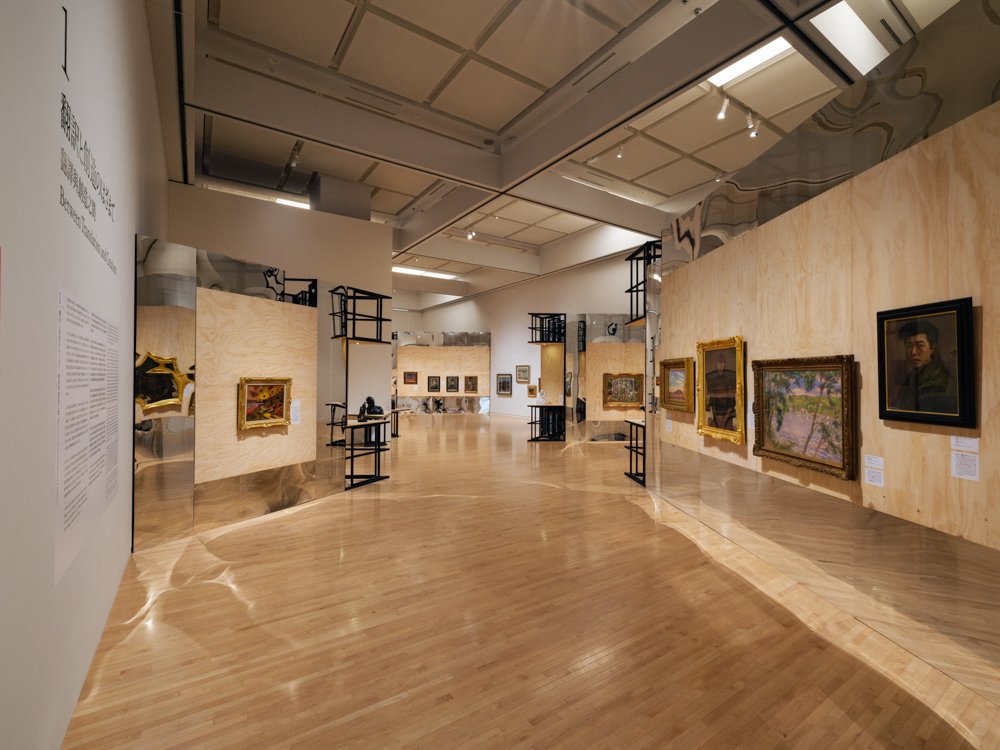
Installation view 1 Between Translation and Creation Photo: ookura hideki | KUROME photo studio
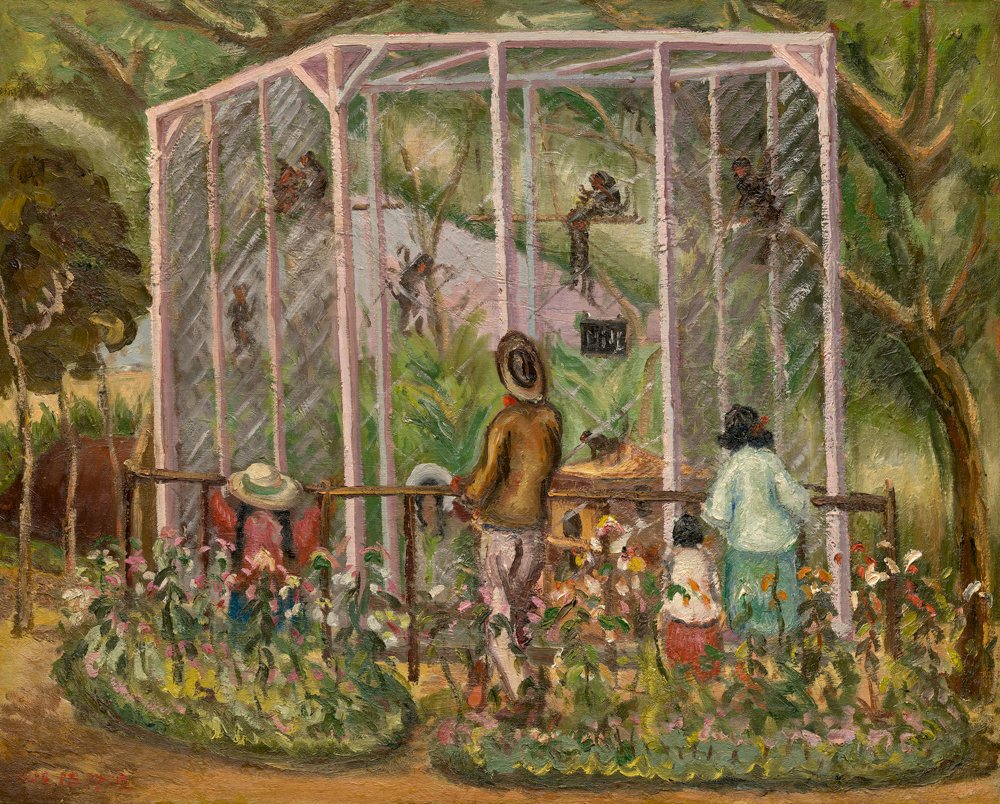
Chen Cheng-po, A Scene at Chiayi Park, 1934, Private Collection
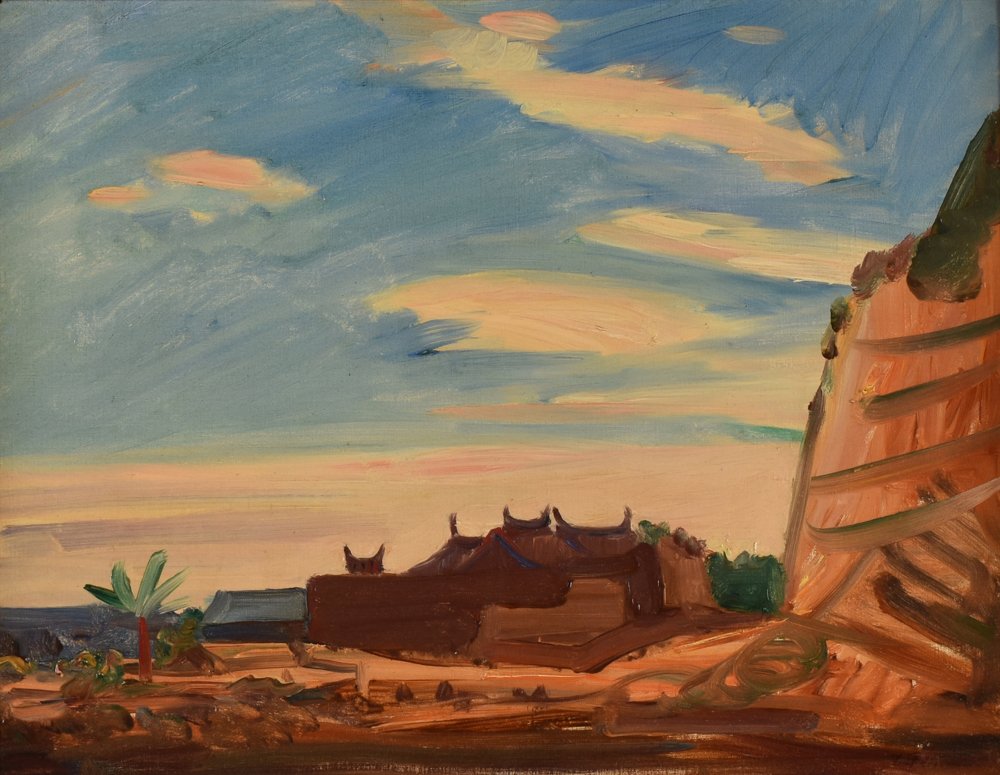
Fujishima Takeji, Landscape of Tainan, 1933, The Museum of Modern Art, Kamakura & Hayama
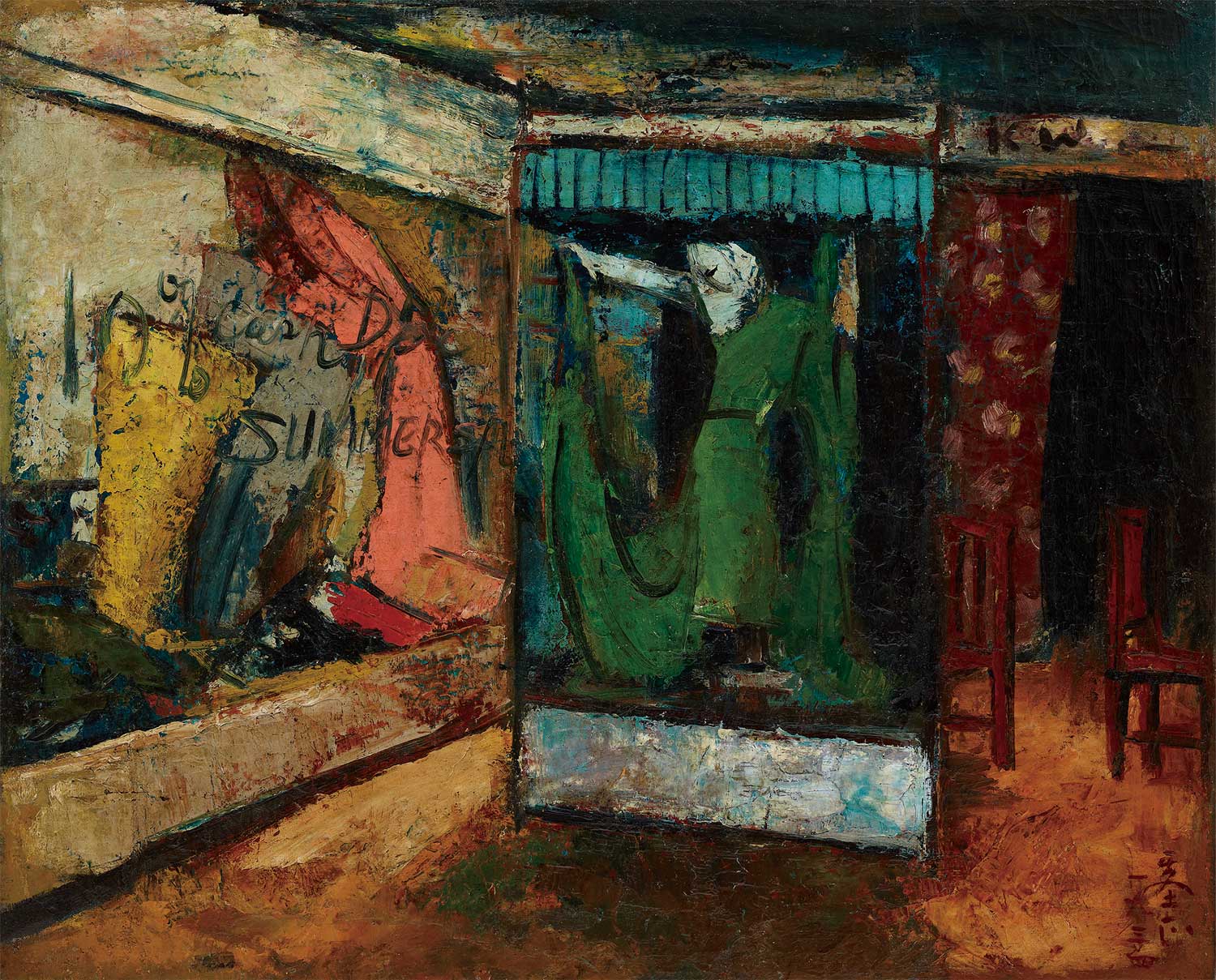
Lu Ghi-cheng, Display Window, 1934, Family Collection
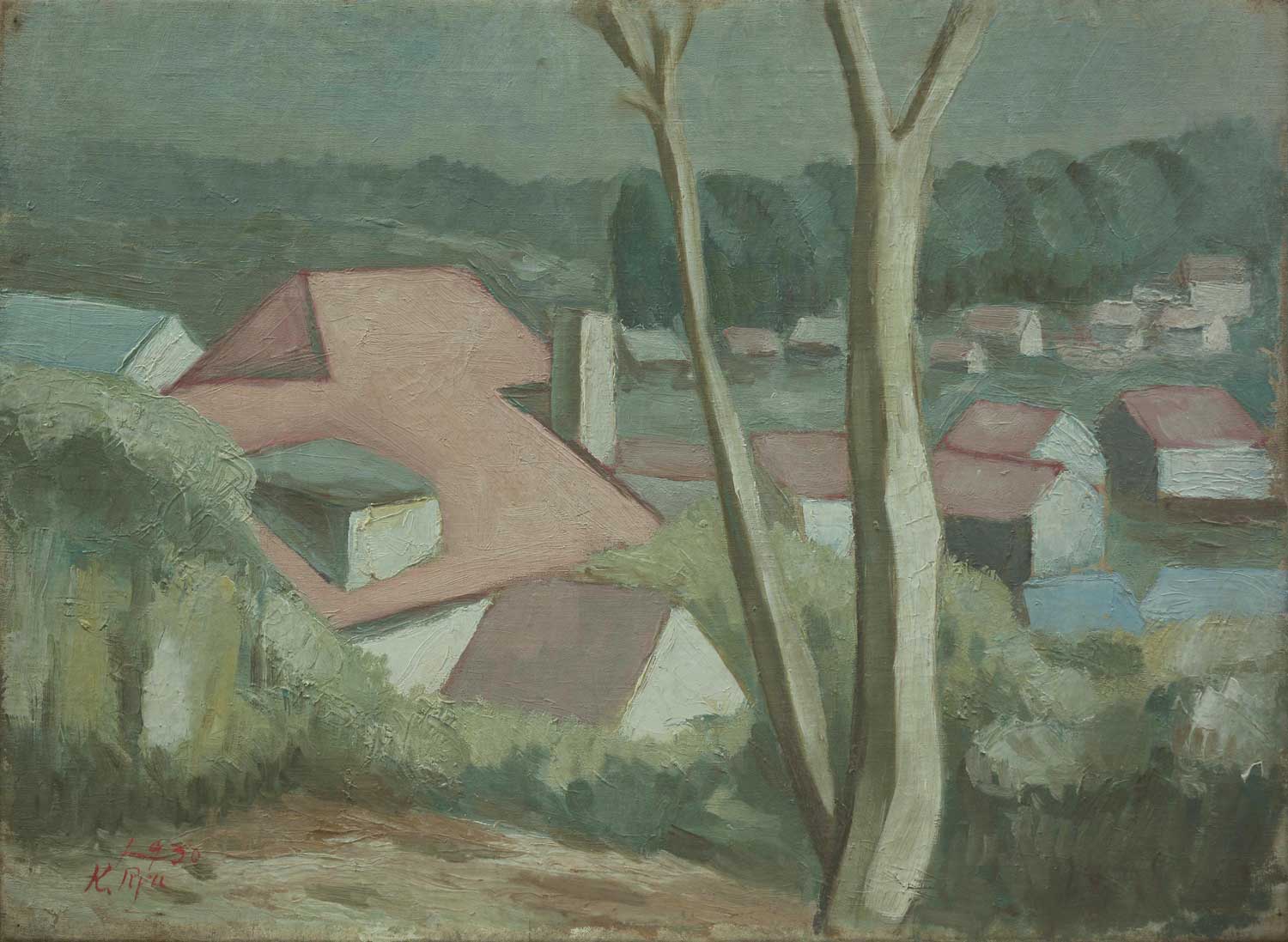
Liu Chiu-hsian, Landscape with Tree Trunks, 1930, Private Collection
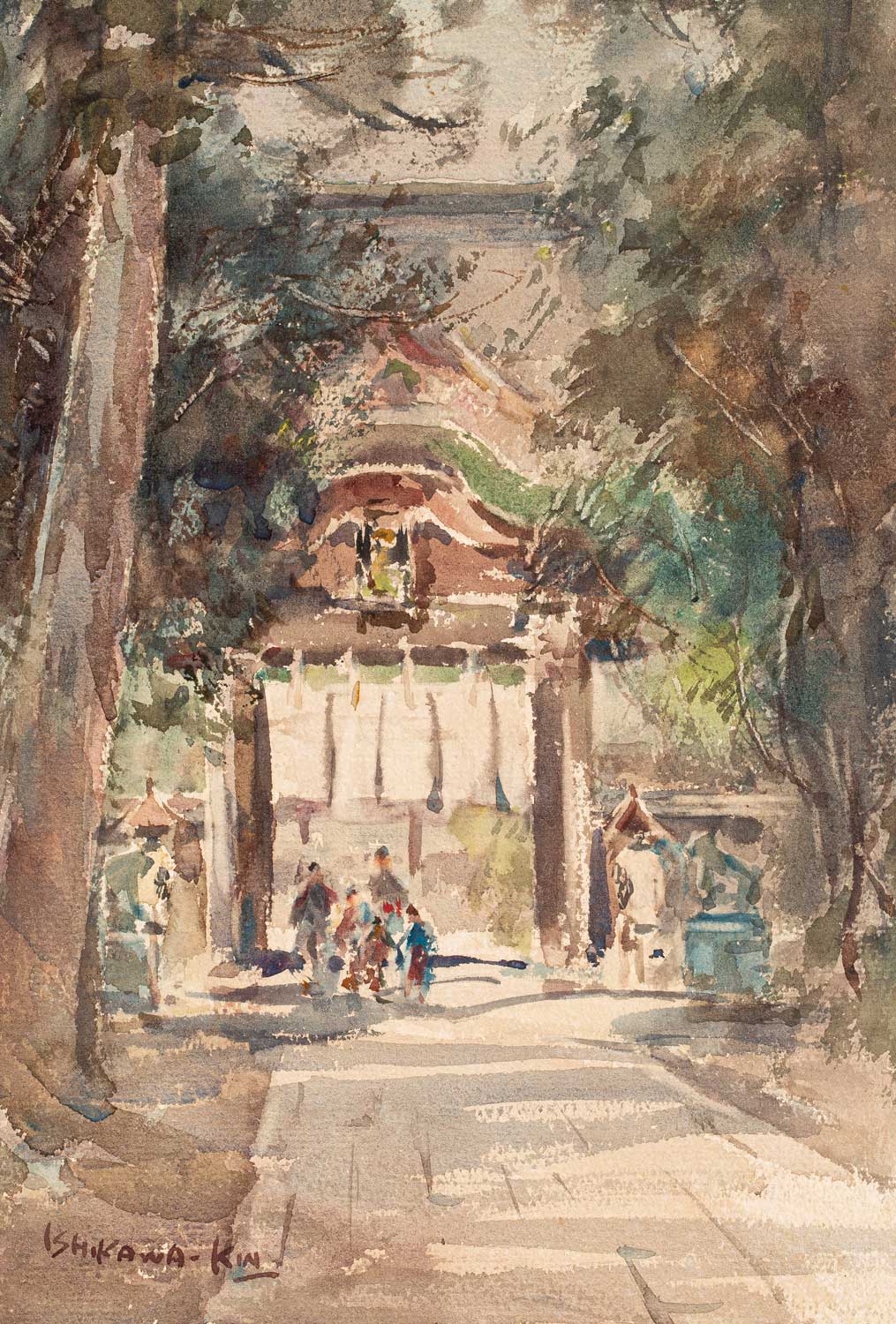
Ishikawa Kinichiro, Shrine Gate, 1930, Taipei Fine Arts Museum
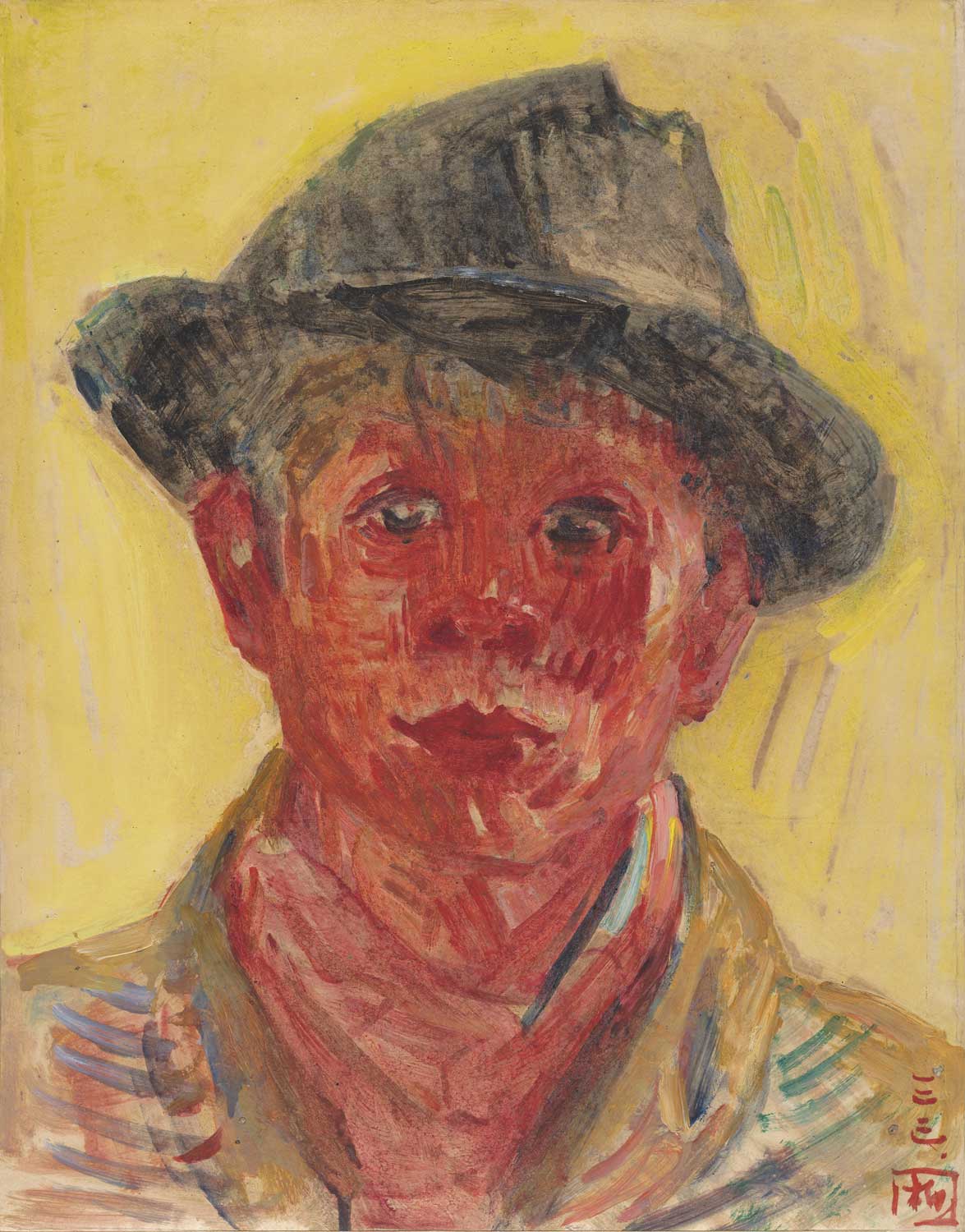
Kuo Po-chuan, Self Portrait, 1944, Taipei Fine Arts Museum
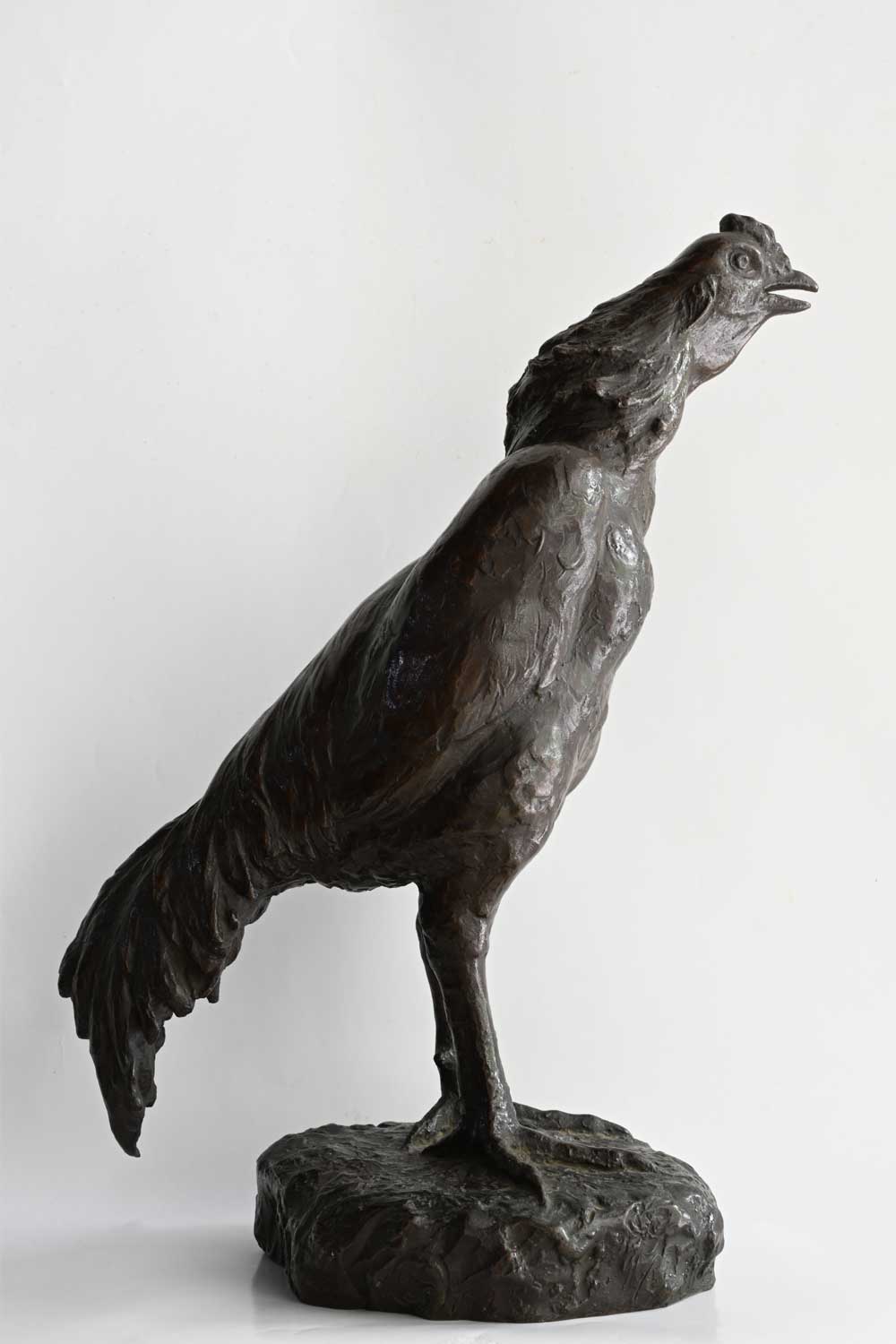
Huang Tu-shui, Shamo, 1925, Private Collection
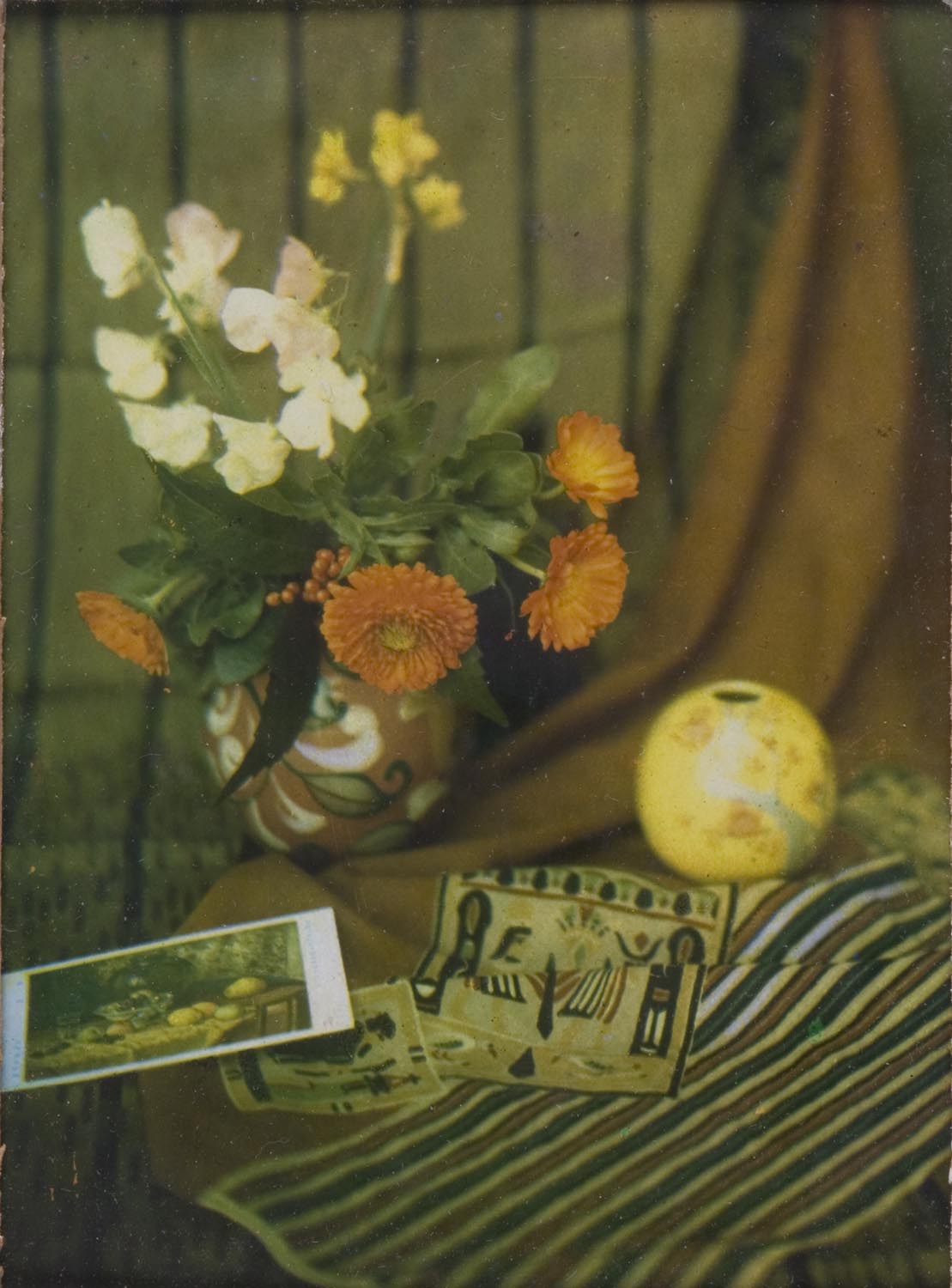
Peng Ruey-lin, Still Life, 1930, Peng Ruey-lin Archive
Chapter 2: The City as an Illusion
Technological and scientific progress profoundly transformed the physiognomy of cities. Airships, submarines, and people moving through the city in modern attire became symbols of a new era, while the press frequently reported on women’s growing participation in public life. With increasing interest in new technologies such as photography and film, artists began frequenting movie theaters, playhouses, and cafés, where young female servers emerged as another emblem of the new urban culture. Amid the sweeping forces of industrialization, urbanization, and globalization, artists explored new modes of expression, from geometric compositions reflecting the mechanical age to photographic experiments employing sophisticated perspectives and techniques. Also registered in their works were the contradictions and emptiness lurking behind modernization—the cityscape as illusion.
Under Japanese rule, Taiwan was rapidly transformed by infrastructural development, including the expansion of railroads and electrification. Nevertheless, marked disparities remained between Taiwan and naichi (mainland Japan)*1, particularly in industrial practices and labor conditions. Growing discontent over the economic inequalities led to actions such as the Erlin Incident*2, in which farmers mobilized to demand better working conditions. Around the same time, both Japan and Taiwan saw the emergence of socially engaged art that critically examined the realities and contradictions of contemporary life. In both, artists embraced avant-garde forms of expression to examine social injustice and the lives of those on the margins, developing practices that resonated with one another.
With the onset of the 1930s, the atmosphere of freedom began to recede as left-wing movements came under increasing repression. In Taiwan, too, the literary movements founded on the political activism of the previous decade could no longer be sustained. Subsequently, literary culture intersected increasingly with visual art, theater, dance, and music, as well as with the activities of those who moved between Tokyo and Taiwan. Founded in 1934 with a Tokyo chapter, the Taiwan Alliance for Literature and Arts provided a new forum for solidarity, where artists from across East Asia, connecting the naichi and the gaichi, came together across disciplinary boundaries.
1: A term used during the Japanese colonial period for mainland Japan. Taiwan, Korea, and other regions under Japanese rule were referred to as gaichi (overseas territories).
2: Taiwan’s first peasant movement, which arose in Erlin, Changhua, in 1925 in protest against working conditions at a sugar company.
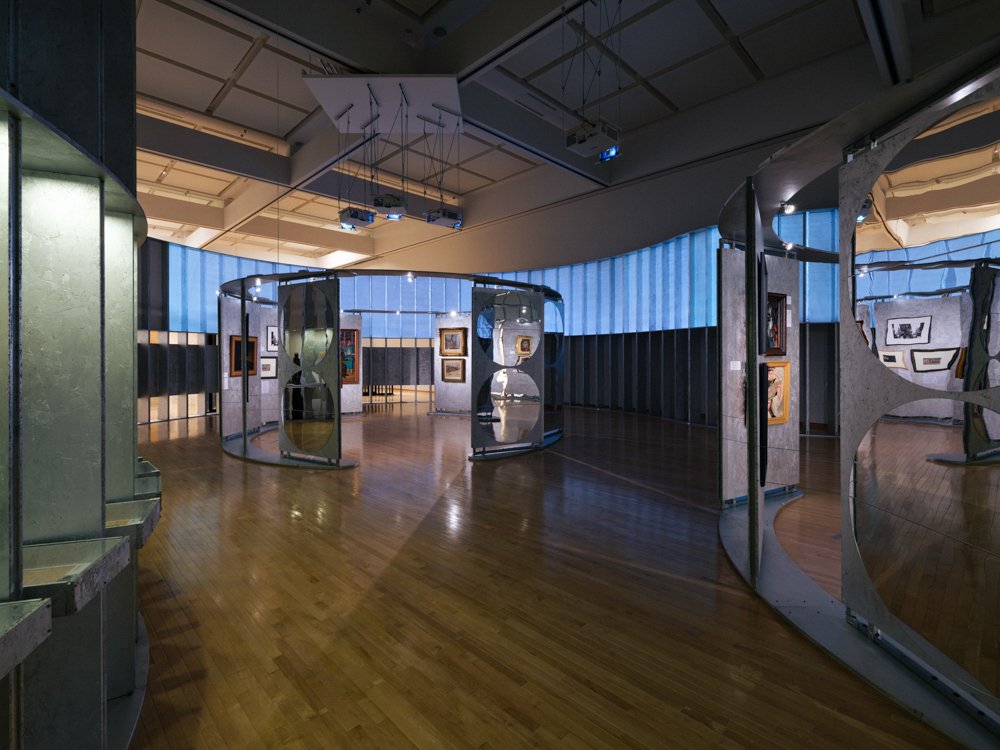
Installation view 2 The City as an Illusion Photo: ookura hideki | KUROME photo studio
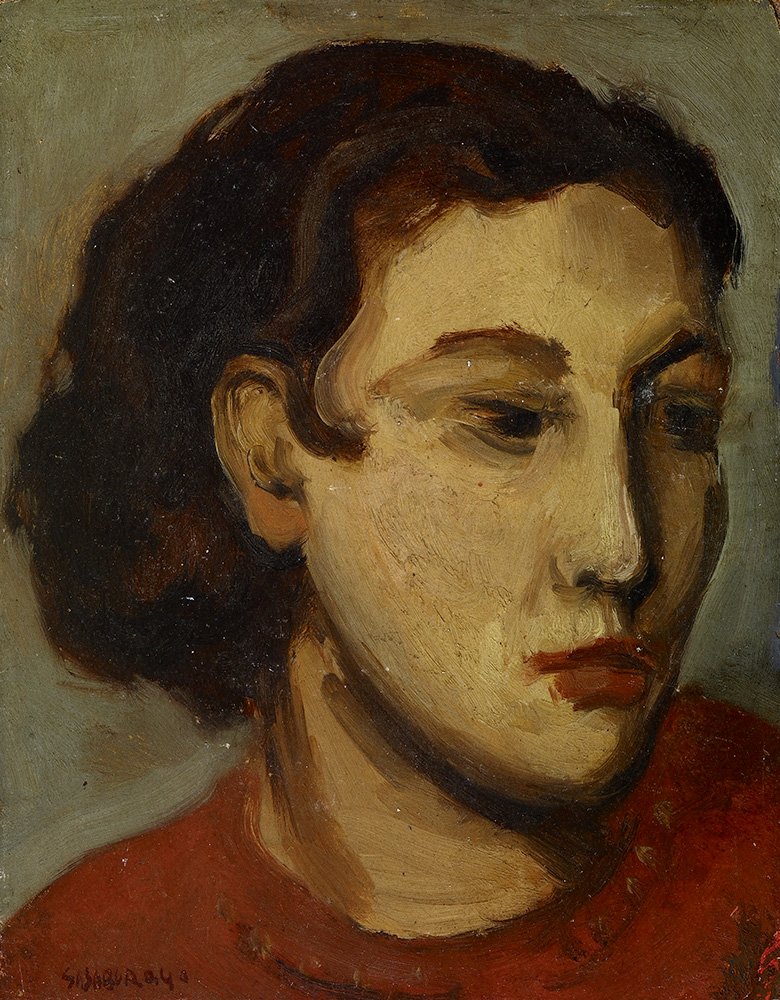
Yang San-lang, The Lady in Paris, 1932, Yang San Lang Museum
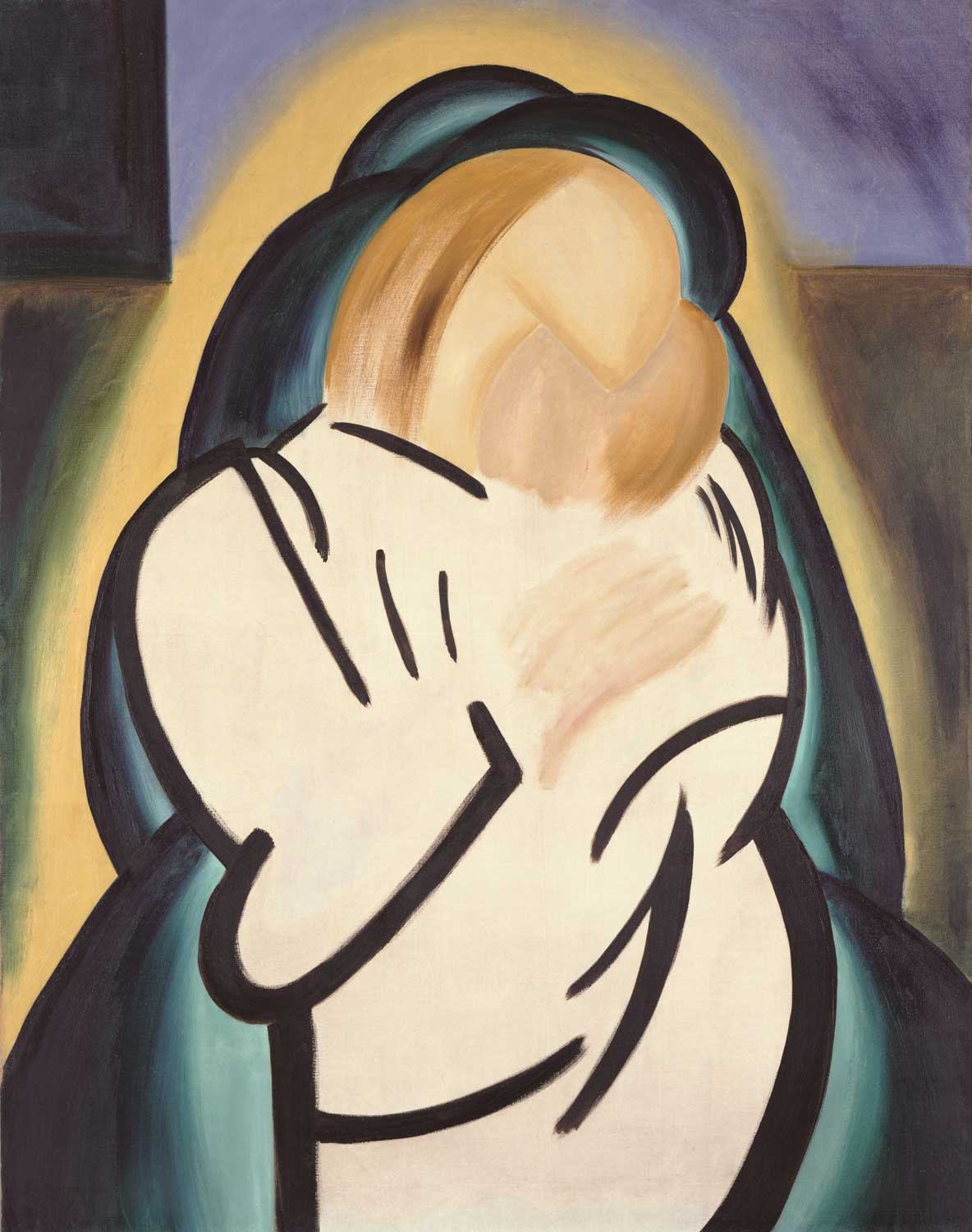
Kambara Tai, Mary and Christ, 1923, Museum of Contemporary Art Tokyo
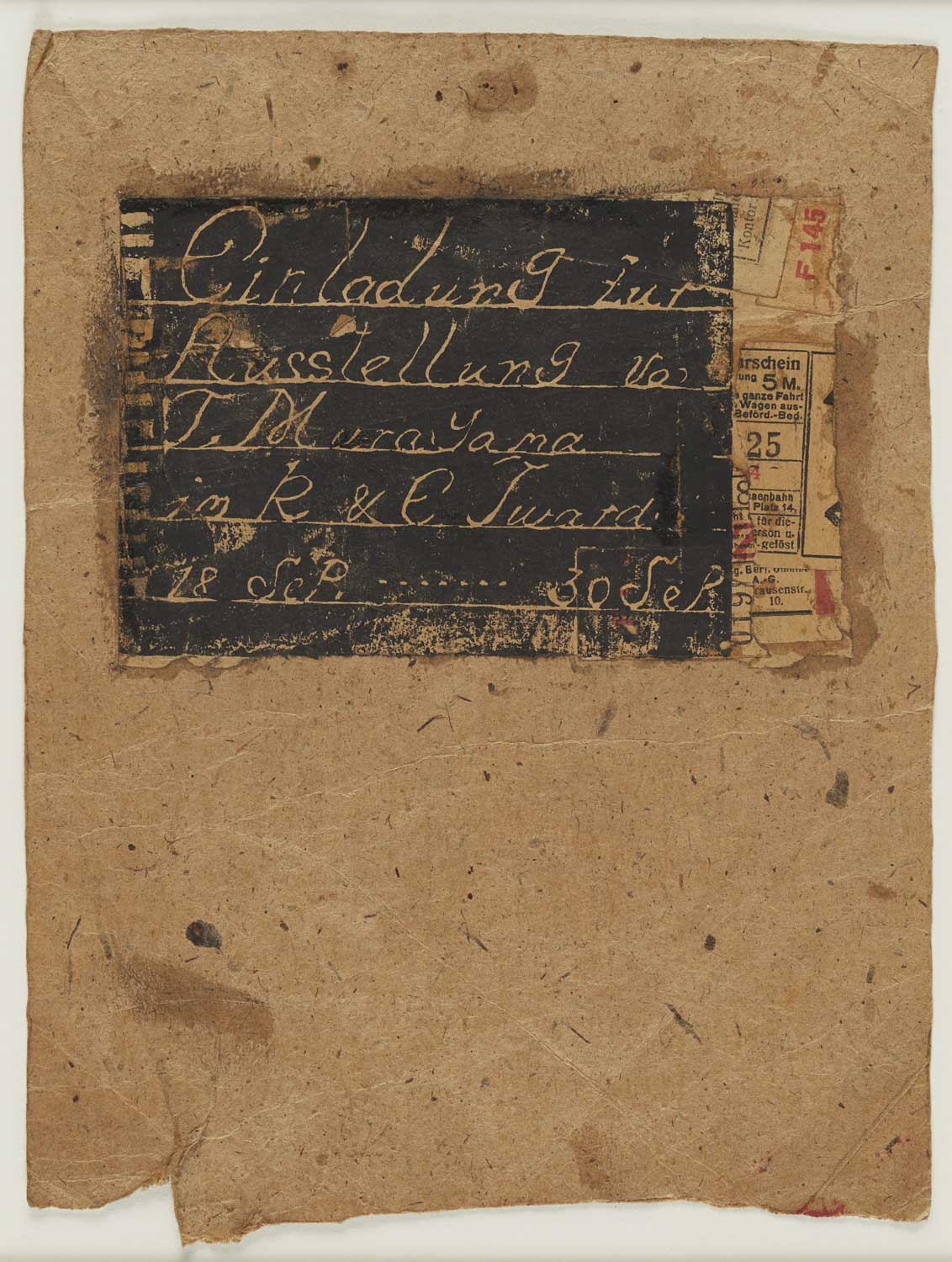
Murayama Tomoyoshi, Invitation for Solo exhibition at Gallery Twardy, 1922, Museum of Contemporary Art Tokyo
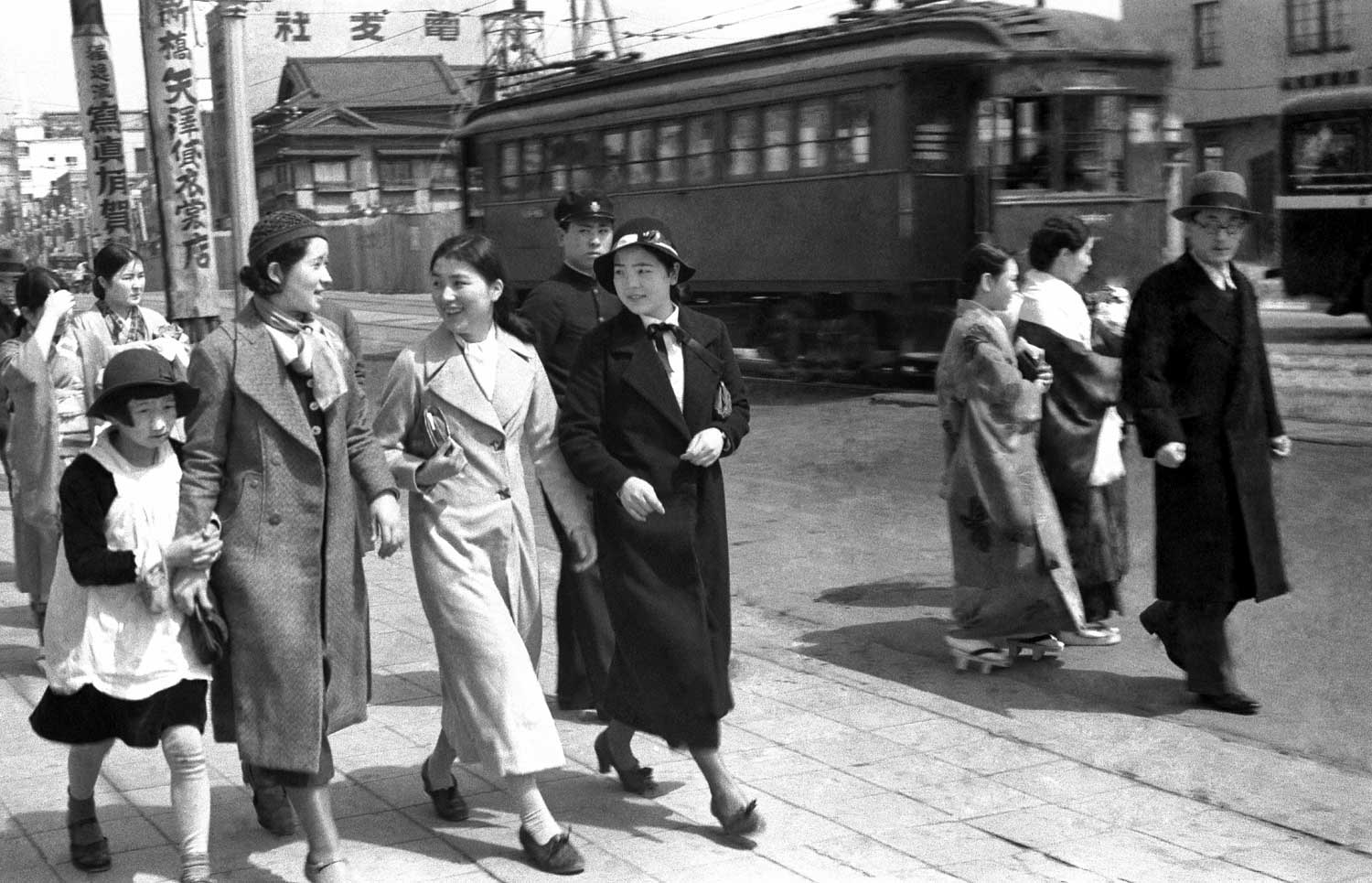
Deng Nan-guang, Modern Girls, 1929–35, printed later, Soka Art Museum
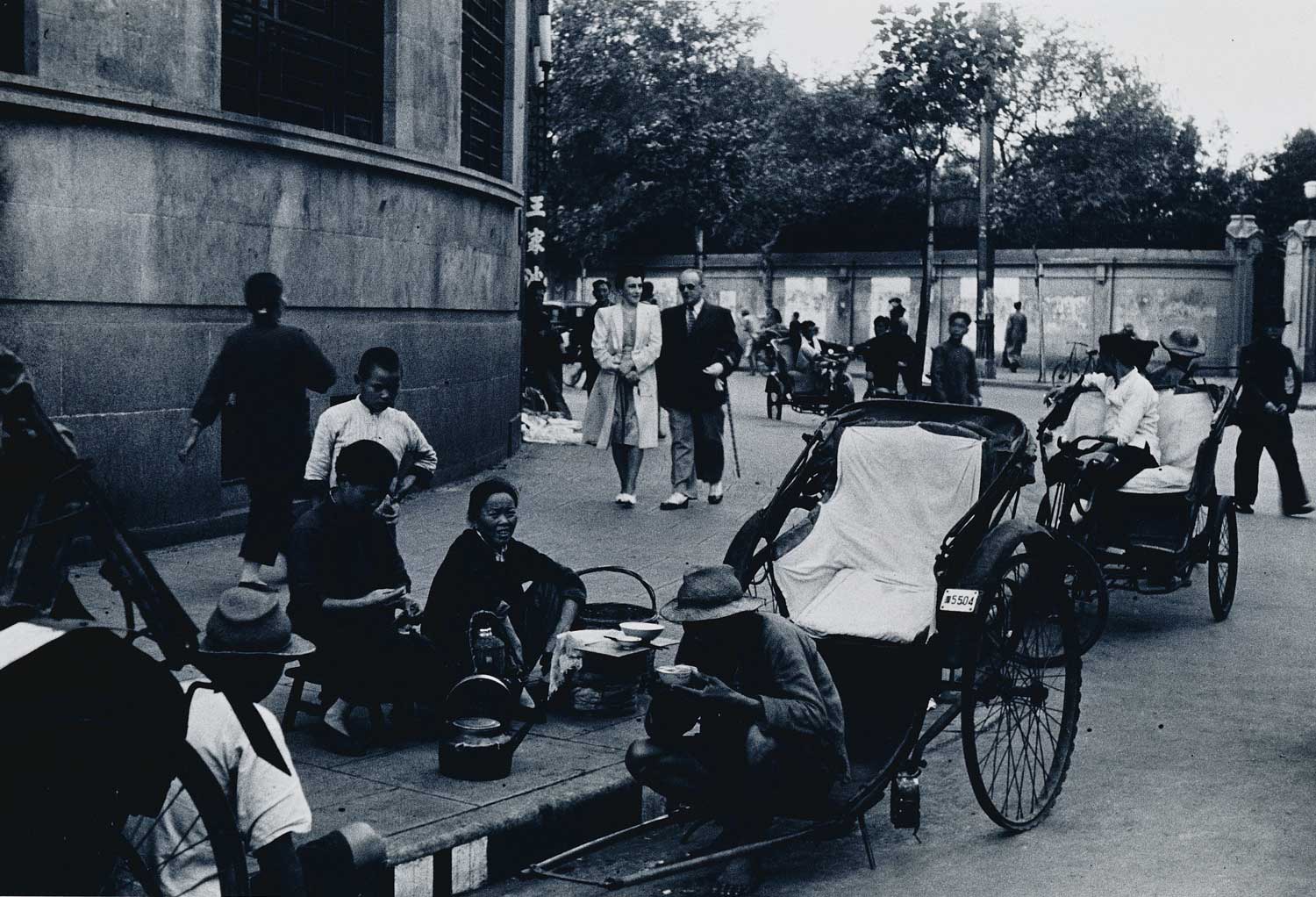
Chang Tsai, Contrast of the Prosperous, 1943, Taipei Fine Arts Museum
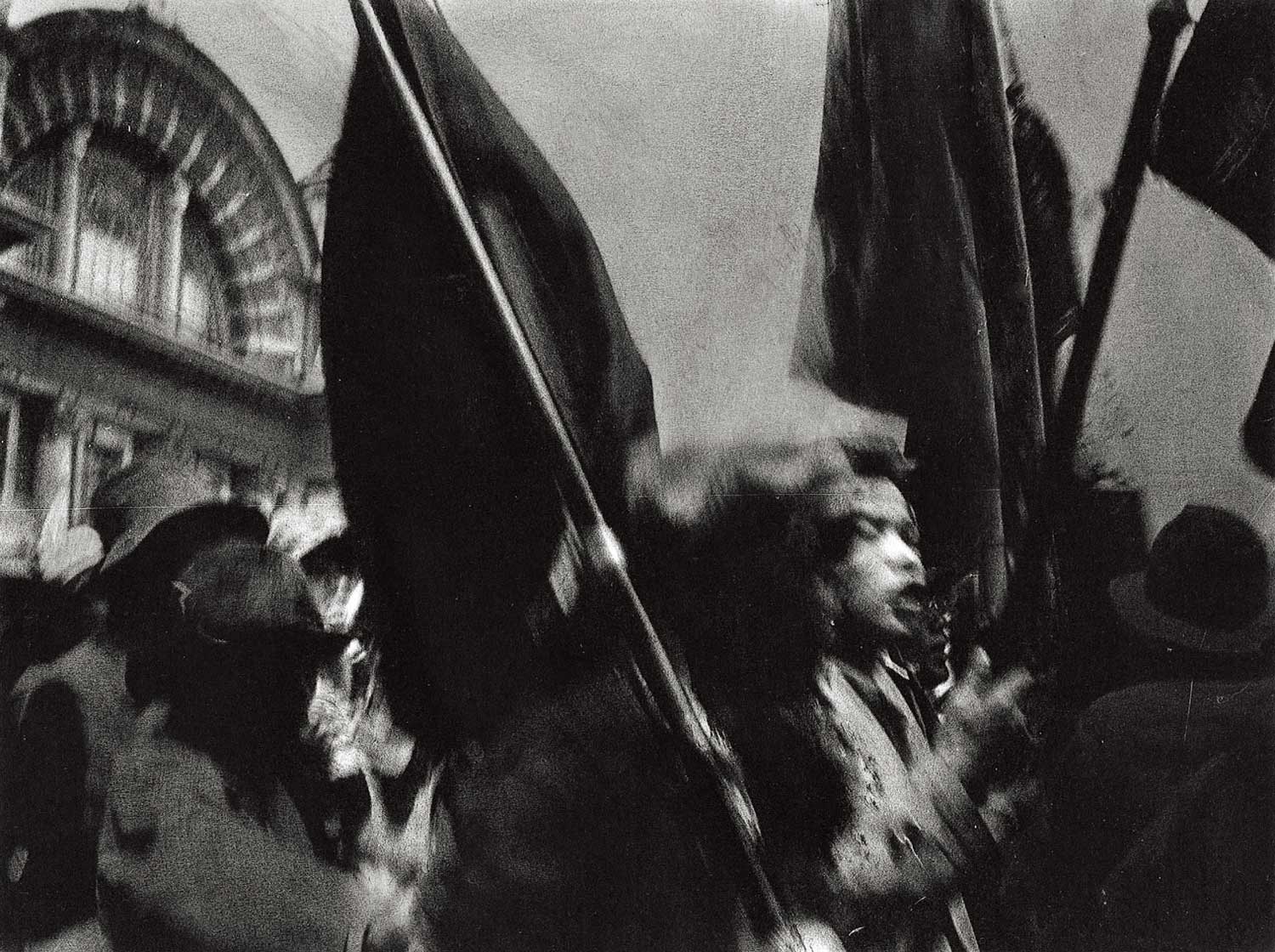
Yasui Nakaji, Flags, 1931, Tokyo Photographic Art Museum
Chapter 3: Surrealism: Delayed Encounters
Born in France in the early twentieth century, Surrealism was a movement that challenged the confines of reason, questioning reality by exploring the imagery of dreams and the unconscious. The movement and its ideas reached Japan through literary translations, artists returning from study abroad, and the activities of avant-garde groups.
In the 1930s, a group known as the “Le Moulin Poetry Society” sought to bring Surrealism to Taiwan. However, their efforts met with little response in the island’s literary world, where realism held sway. Though short-lived and long overlooked, Le Moulin has in recent years drawn renewed attention.*1 The work of these writers, alongside that of their contemporaries in Taiwan and Japan, reveals how they each, albeit with some delay and within their own distinct cultural contexts, repeatedly translated and embraced Surrealism, at times reinterpreting and transforming it in the process.
This chapter includes works that have not been explicitly identified as Surrealist within the histories of art and literature. Rather than seeking a one-to-one correspondence between theory and artistic works, this chapter examines how creators, in an era when the concept of modernity had yet to be fully defined, responded through intuition and lived experience to the repression, imagination, and desires hidden deep within the collective unconscious of their time. They inhabited the gaps created by successive layers of translation, each arriving with its own temporal lag. It was precisely these gaps that constituted their reality.
1: Huang Ya-li, the guest curator of the present exhibition, drew on the history of the Le Moulin Poetry Society for his 2015 film Le Moulin.
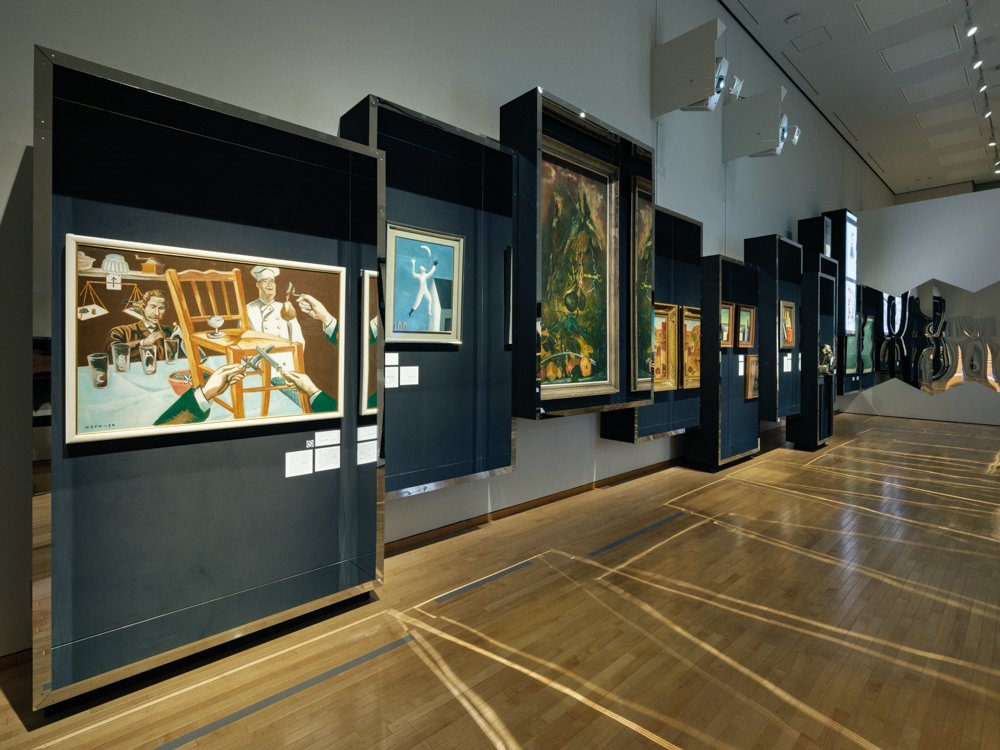
Installation view 3 Surrealism: Delayed Encounters Photo: ookura hideki | KUROME photo studio
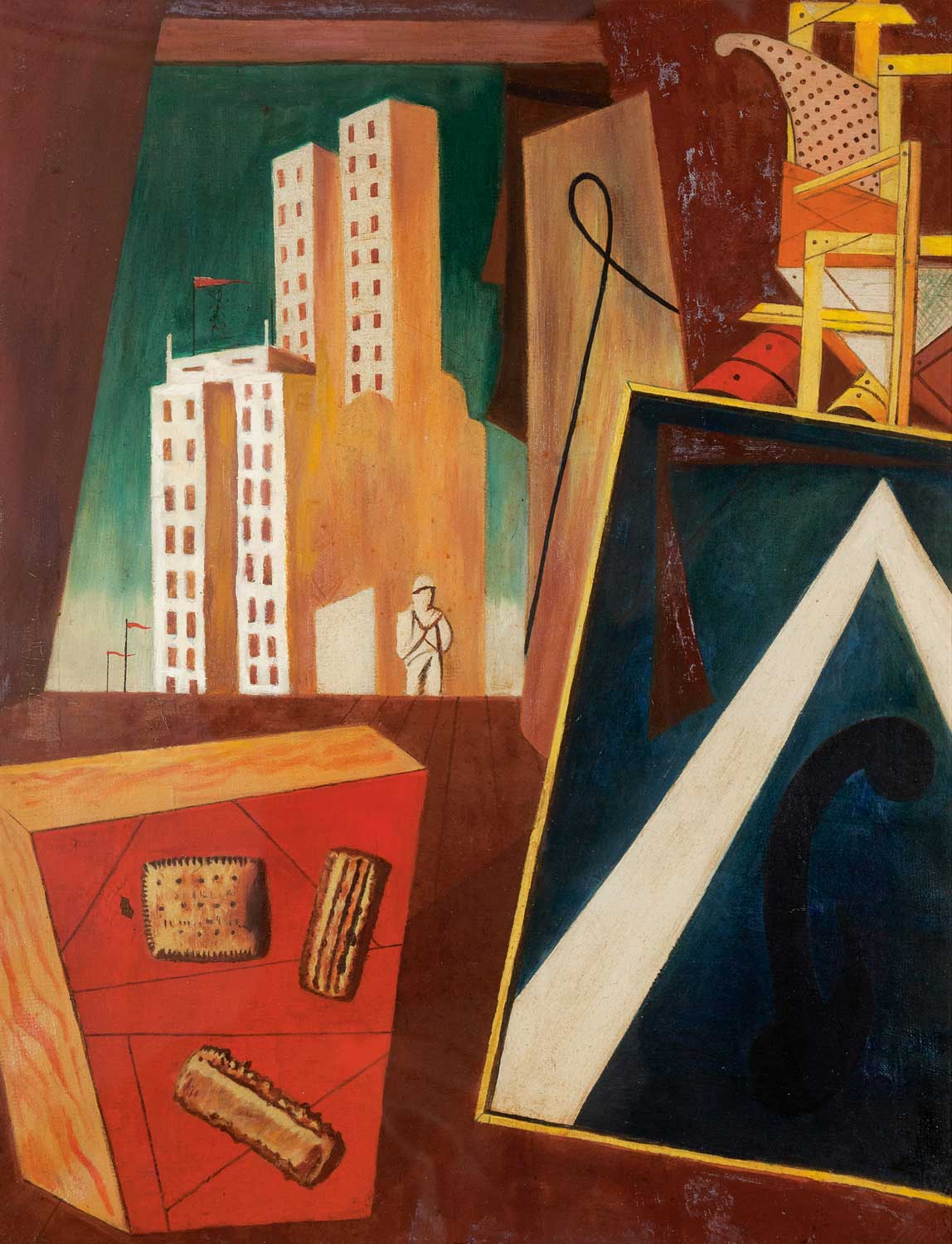
Chuang Shih-ho, A Corner of the Studio, 1941, Soka Art Museum
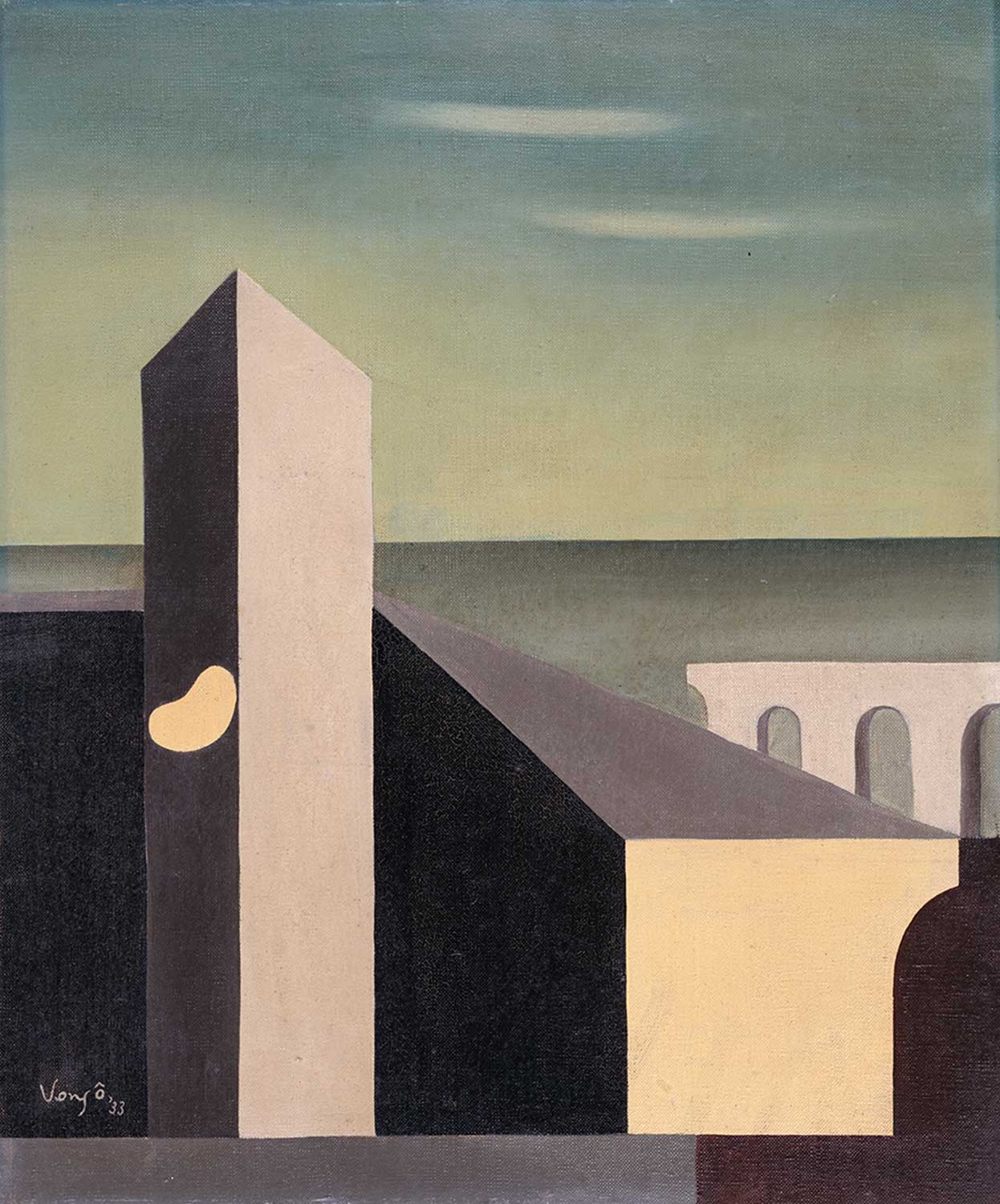
Abe Kongo, Landscape, 1933, Yokosuka Museum of Art
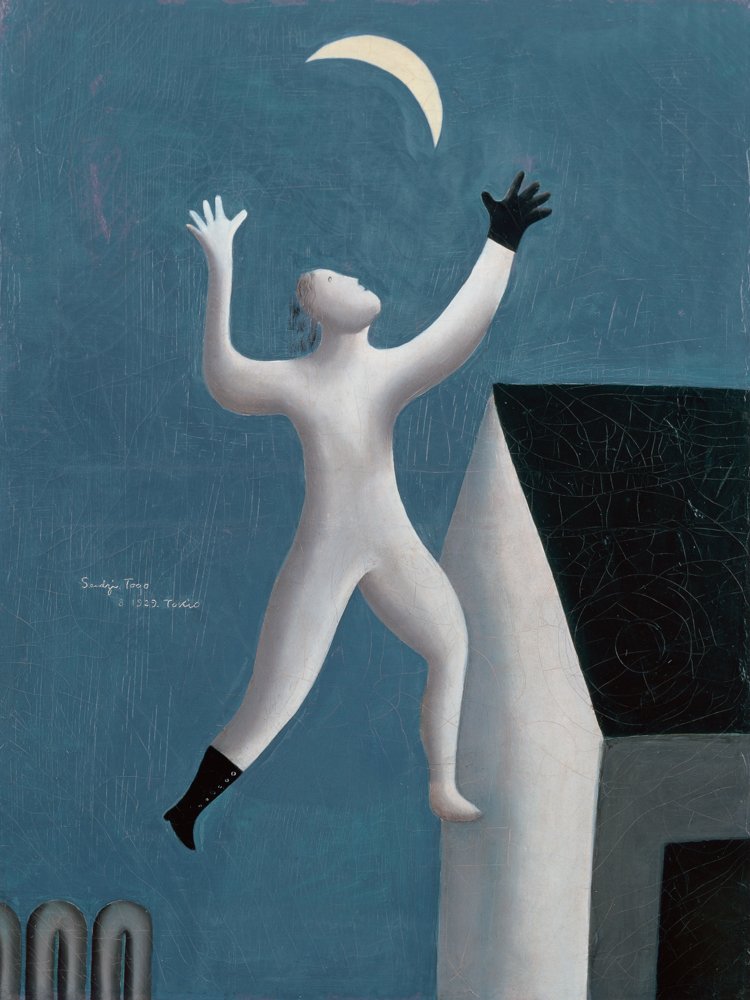
Togo Seiji, Surrealistic Stroll, 1929, Sompo Museum of Art
© Sompo Museum of Art, 26012
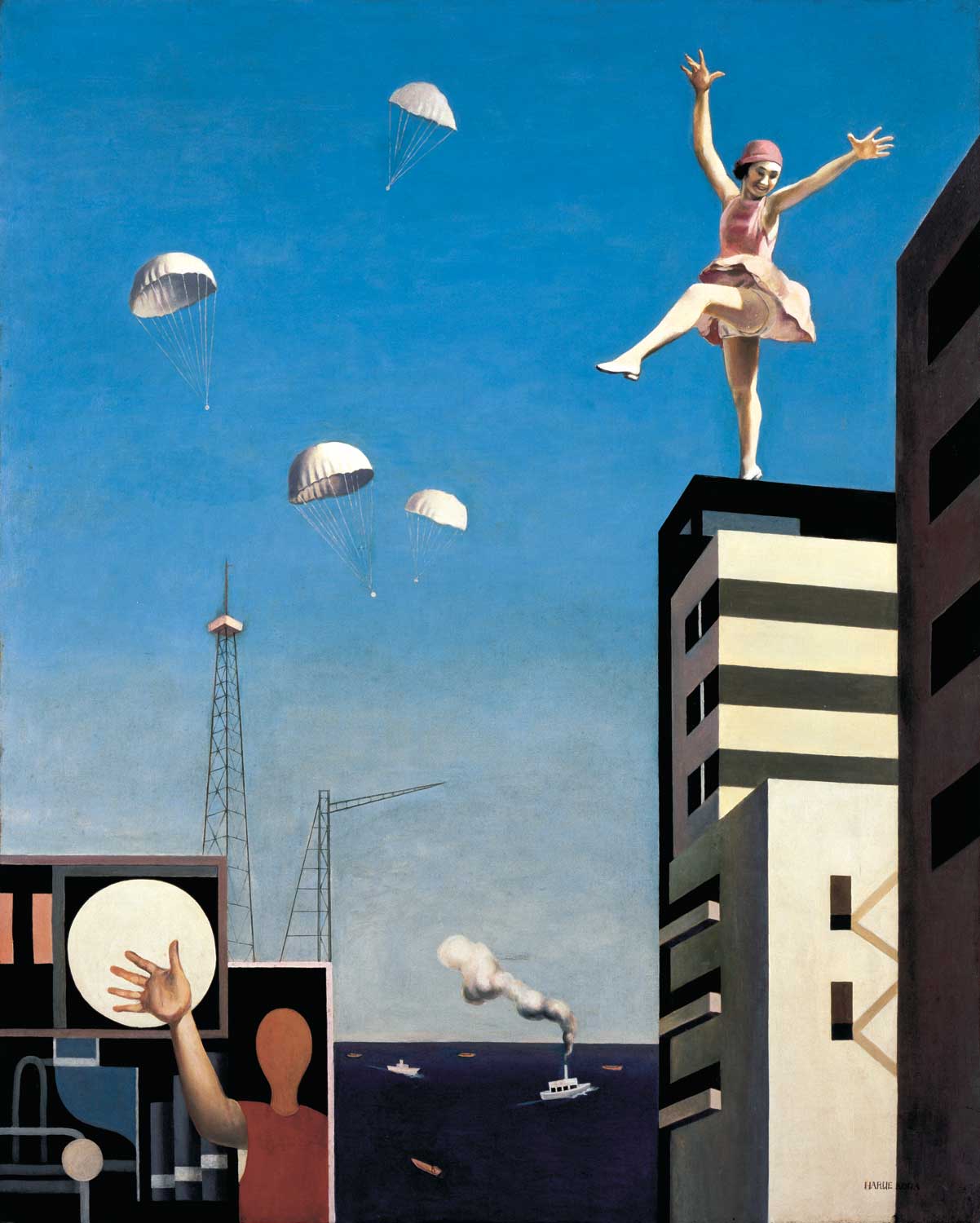
Koga Harue, Make-up outside the Window, 1930, The Museum of Modern Art, Kamakura & Hayama
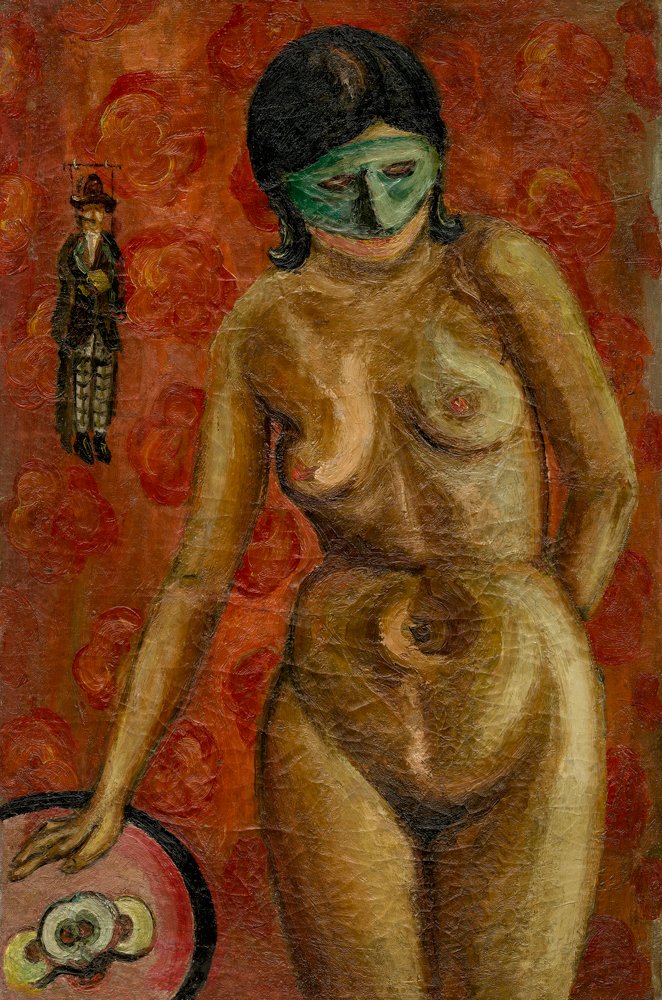
Chen Cheng-po, Nude Female with a Green Mask, c. 1929–1933, Private Collection
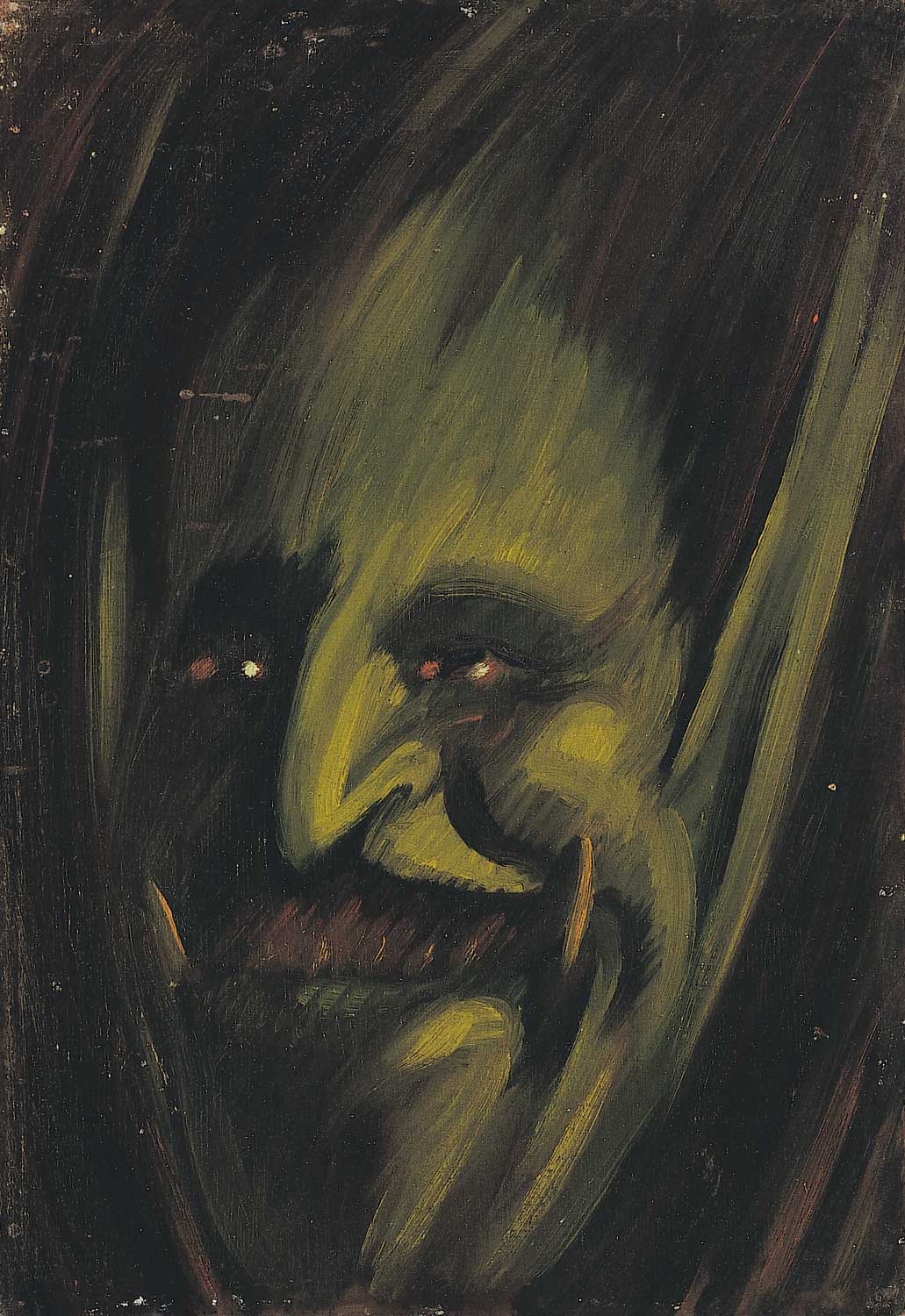
Ho Te-lai, Grinning Phantom, 1928, Taipei Fine Arts Museum
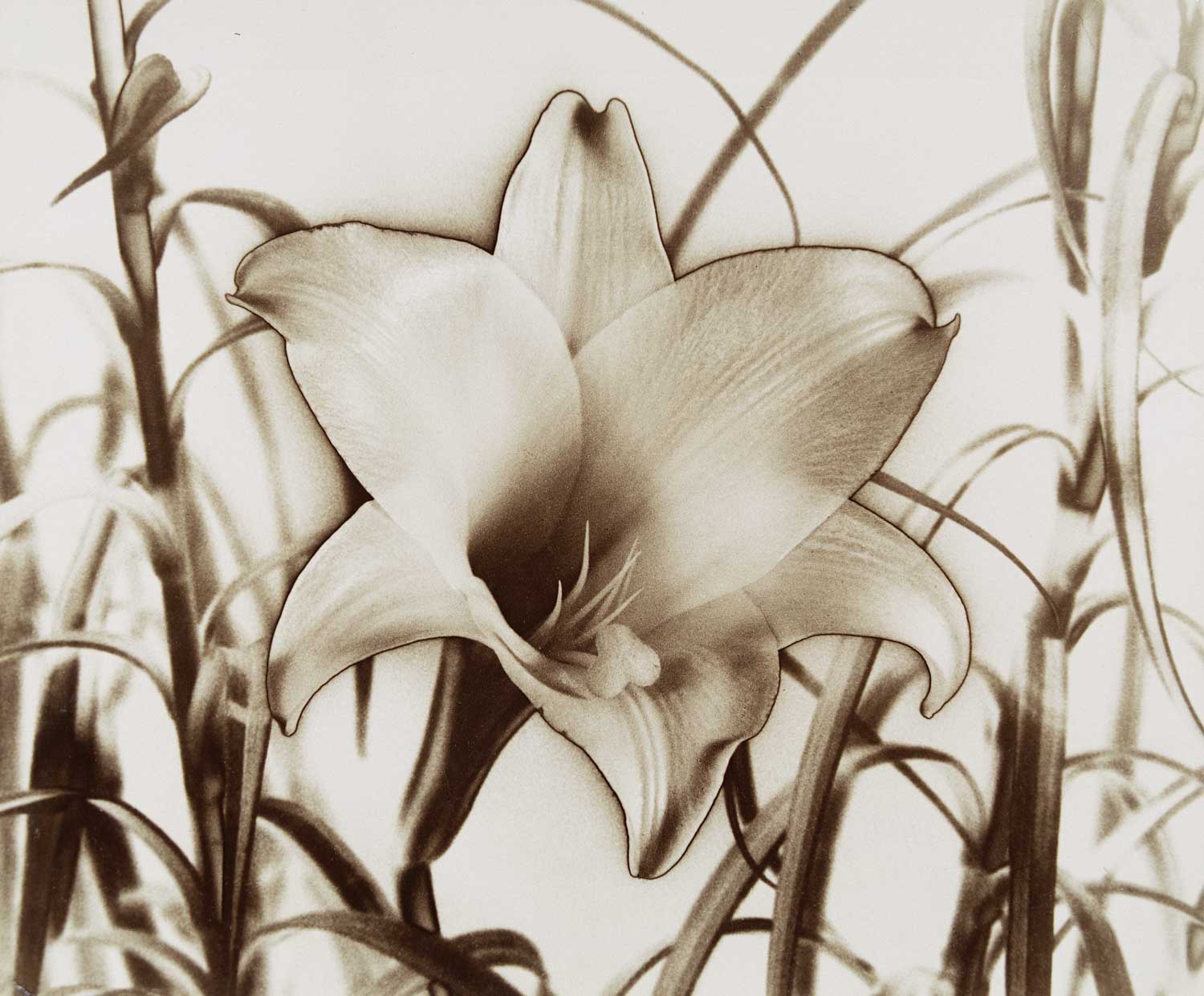
Lin Shou-yi, One Flower, 1947, Taipei Fine Arts Museum
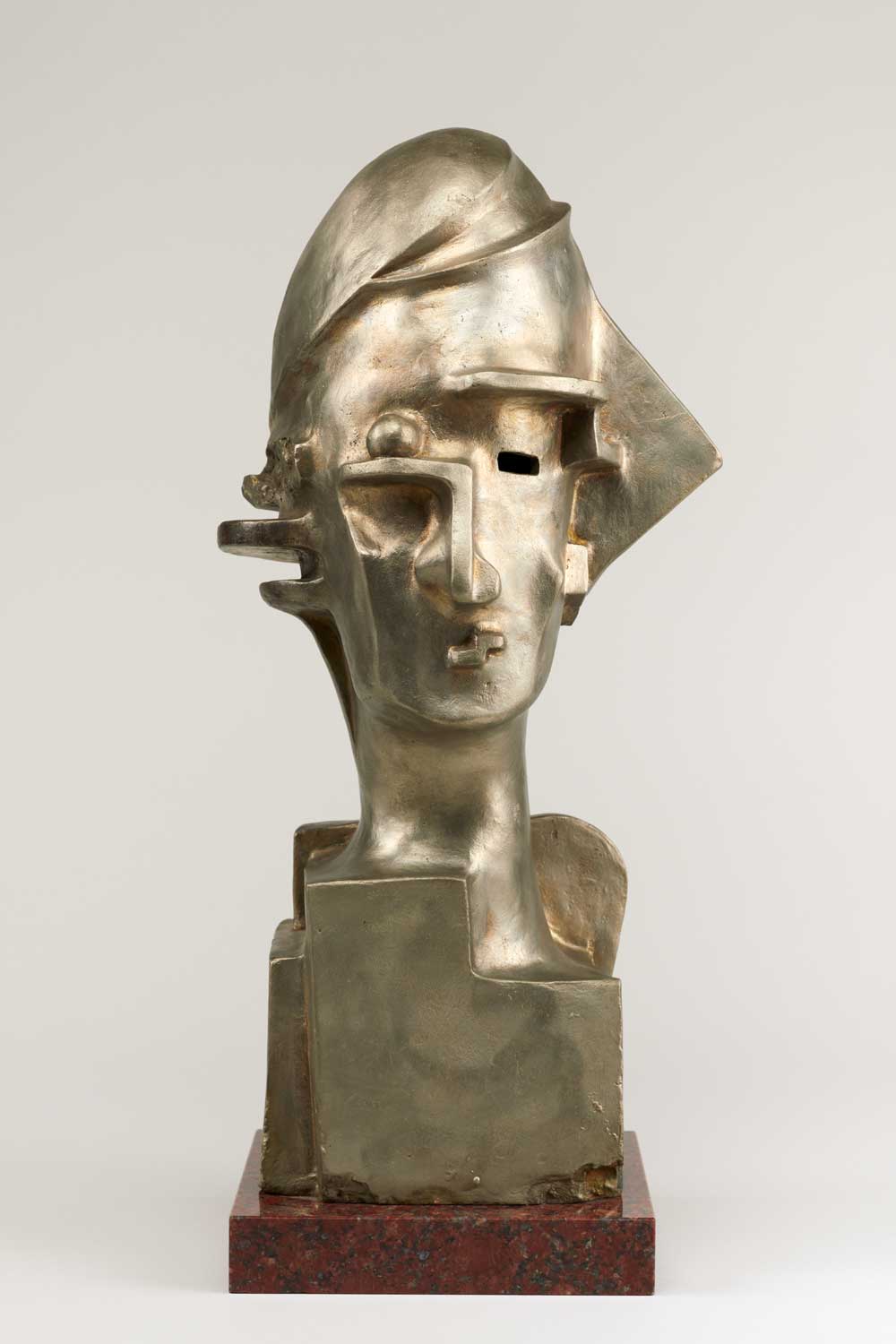
Nakada Sadanosuke, Head of Woman, 1924, The National Museum of Modern Art, Tokyo
Chapter 4: What Is Homeland / Who Am I?
Under Japanese colonial rule, the artistic and literary landscape in Taiwan underwent profound transformation. Until then, the arts in Taiwan had largely been rooted in everyday life and religious belief, including calligraphy and painting associated with the “Min-style” tradition originating in Fujian,*1 statues and carvings of deities that adorned temples, and the crafts associated with religious festivals. However, with the beginning of colonial rule, Western and Japanese notions of art and literature were gradually introduced to Taiwan, and a visual culture rooted in private literati pursuits and local religious traditions became increasingly connected to modern cultural institutions.
From its inception in 1927, the Tai-ten (Taiwan Art Exhibition) placed emphasis on “local color,” as seen in depictions of Taiwan’s landscapes and ways of life, alongside technical skill in painting from direct observation. Its jury included both Japanese and Taiwanese painters. Against this backdrop, a new generation of young artists who had studied in Japan emerged, giving rise to a diverse range of artistic practices and techniques, from ink and oil painting to Eastern gouache and sculpture. In literature as well, creators confronted questions of what to depict and how, navigating the tension between the traditional culture of Classical Chinese and the language of a new era. For Taiwanese painters and writers, it was at once a space for creative expression and a means of responding to the expectations of the colonial authorities. Whose was the gaze cast upon their homeland?
At the same time, the lives of Taiwan’s Indigenous peoples were profoundly reshaped under Japan’s riban (“Aboriginal administration”) policies.*2 Their traditional places of life were brought under colonial control, while the tools, clothing, and other objects used in everyday life became subjects of research and collection. These objects were transported to museums and given new meanings and values as “art,” “crafts,” or “historical artifacts.” Museum practices of collecting, classifying, and exhibiting did not merely preserve objects as material things; they also served to situate Indigenous peoples themselves within particular historical and cultural frameworks. Photography, which was becoming widespread at the time, likewise provided a means of recording everyday life and rituals in Taiwan, including those of Indigenous communities, thereby shaping how they were perceived. What forms did objects take once removed from their original places and contexts? Their fate remains an open question today.
1: A pictorial style characterized by free brushwork and xieyi (spontaneous, expressive) technique. It was first introduced to Taiwan through exchanges with Fujian during the Qing dynasty, shaping the island’s painting and calligraphy culture in the pre-modern era.
2: Colonial policies governing Taiwan’s Indigenous peoples under Japanese rule. The initial focus on military suppression gradually shifted toward education, as well as controlling and assimilating everyday life.
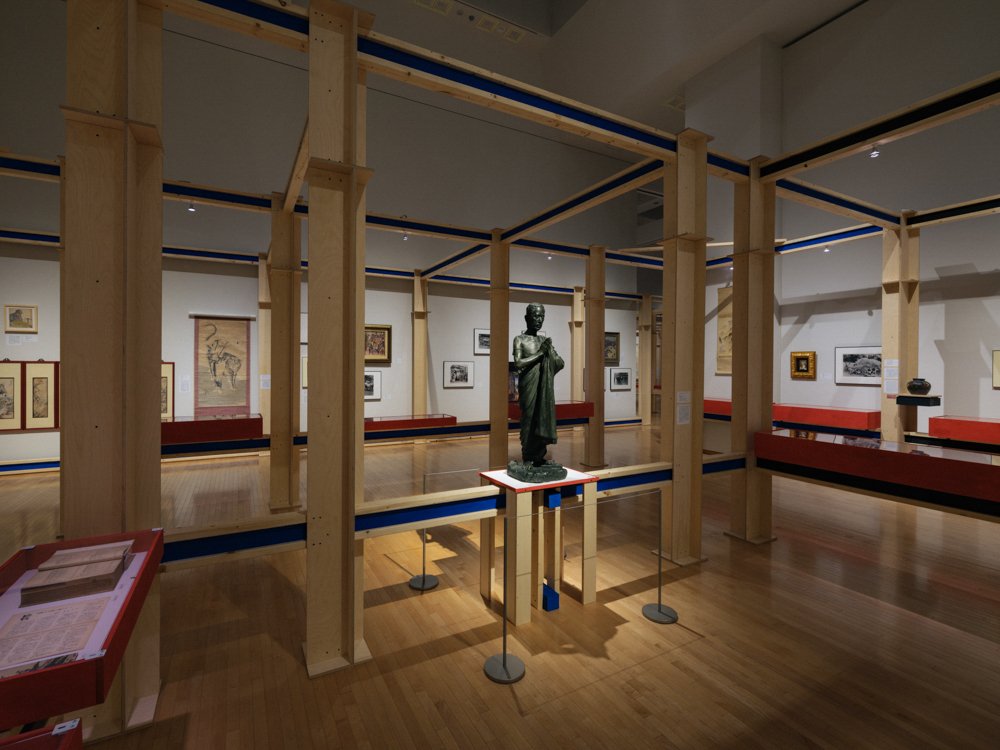
Installation view 4 What Is Homeland / Who Am I? Photo: ookura hideki | KUROME photo studio
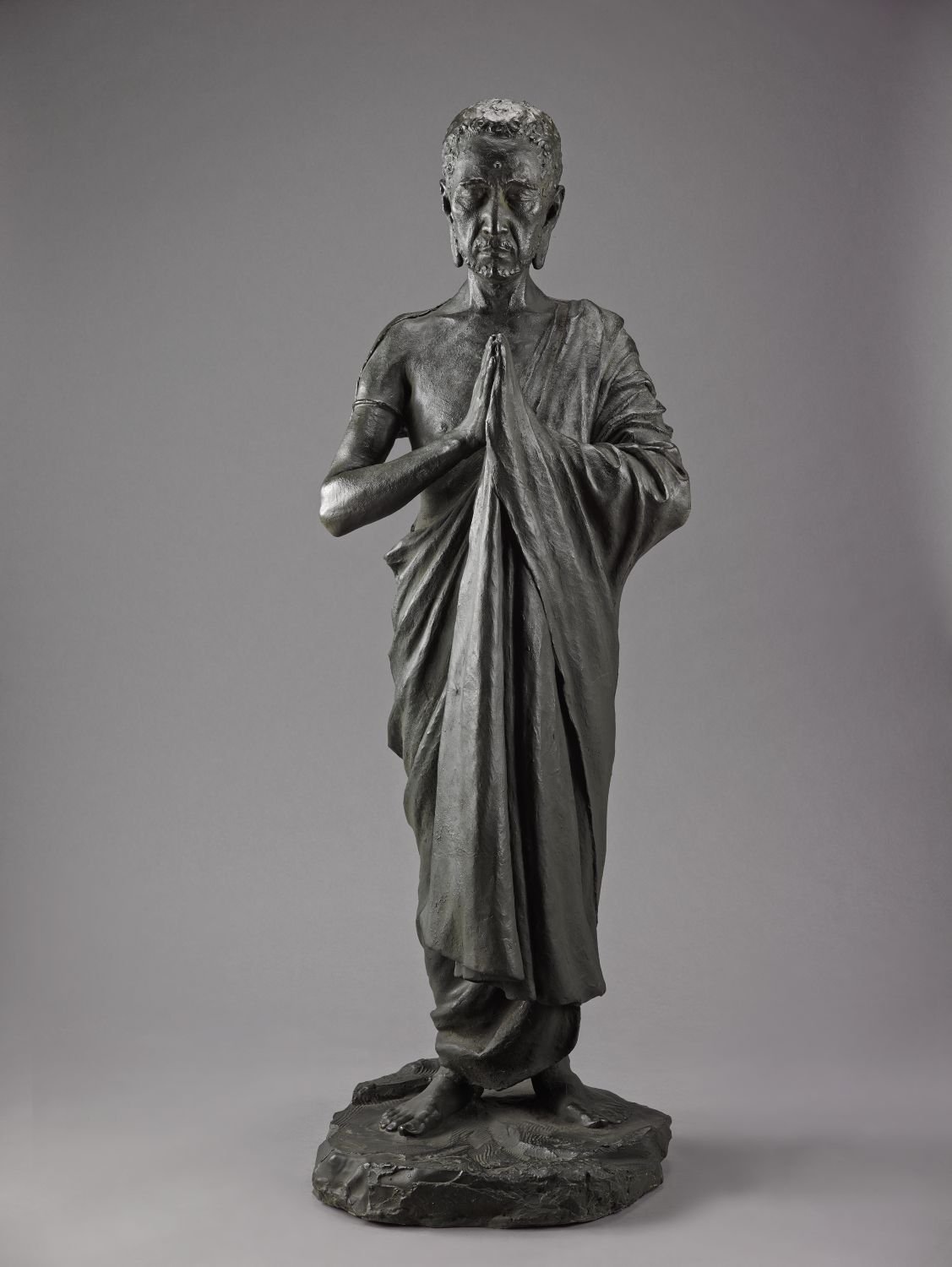
Huang Tu-shui, Sakya (Bronze), Cast 1997 (based on the 1926 plaster), Taipei Fine Arts Museum
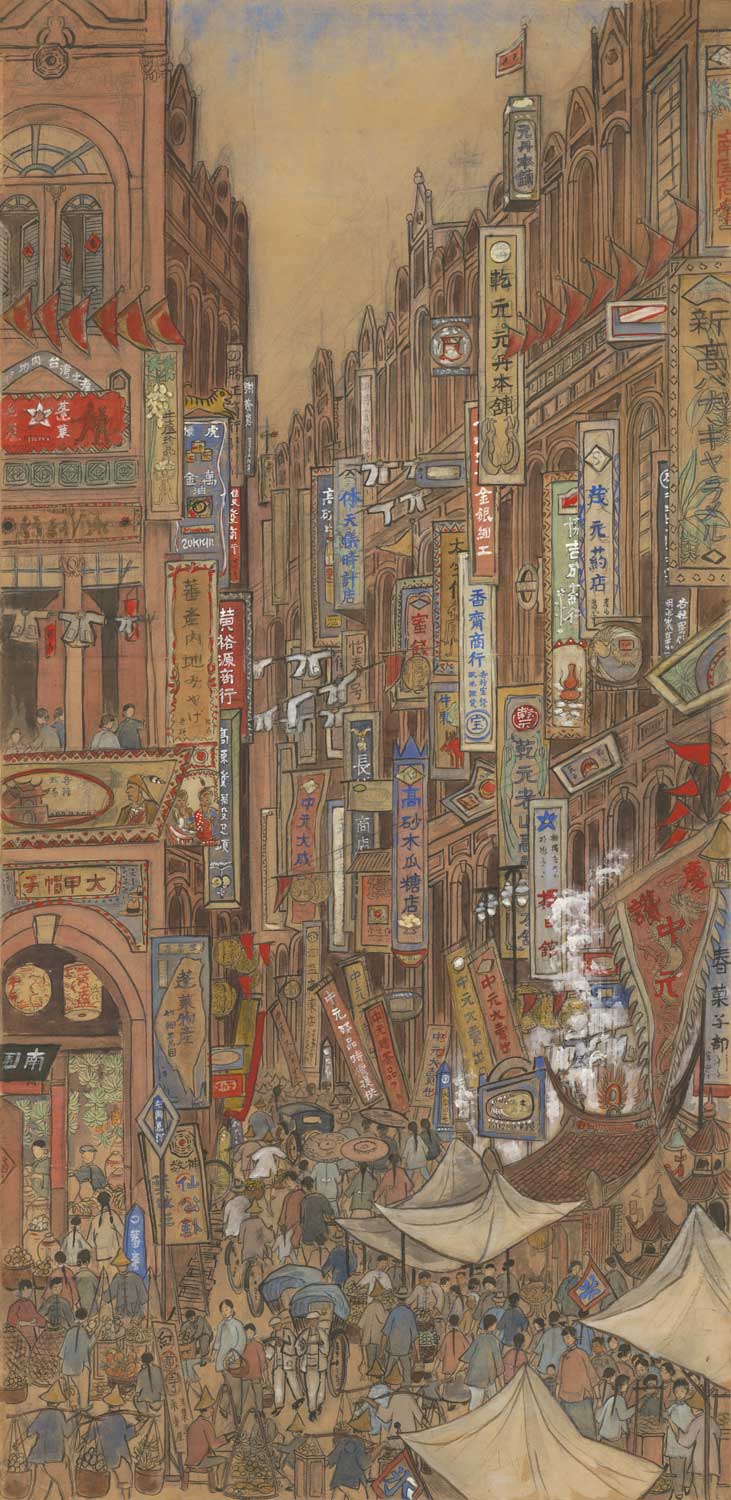
Kuo Hsueh-hu, Festival on South Street (Color Sketch), 1930, Soka Art Museum
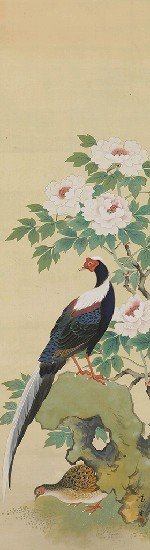
Lin Yu-shan, Peony and Swinhoe’s Pheasant, 1937, National Taiwan Museum of Fine Arts
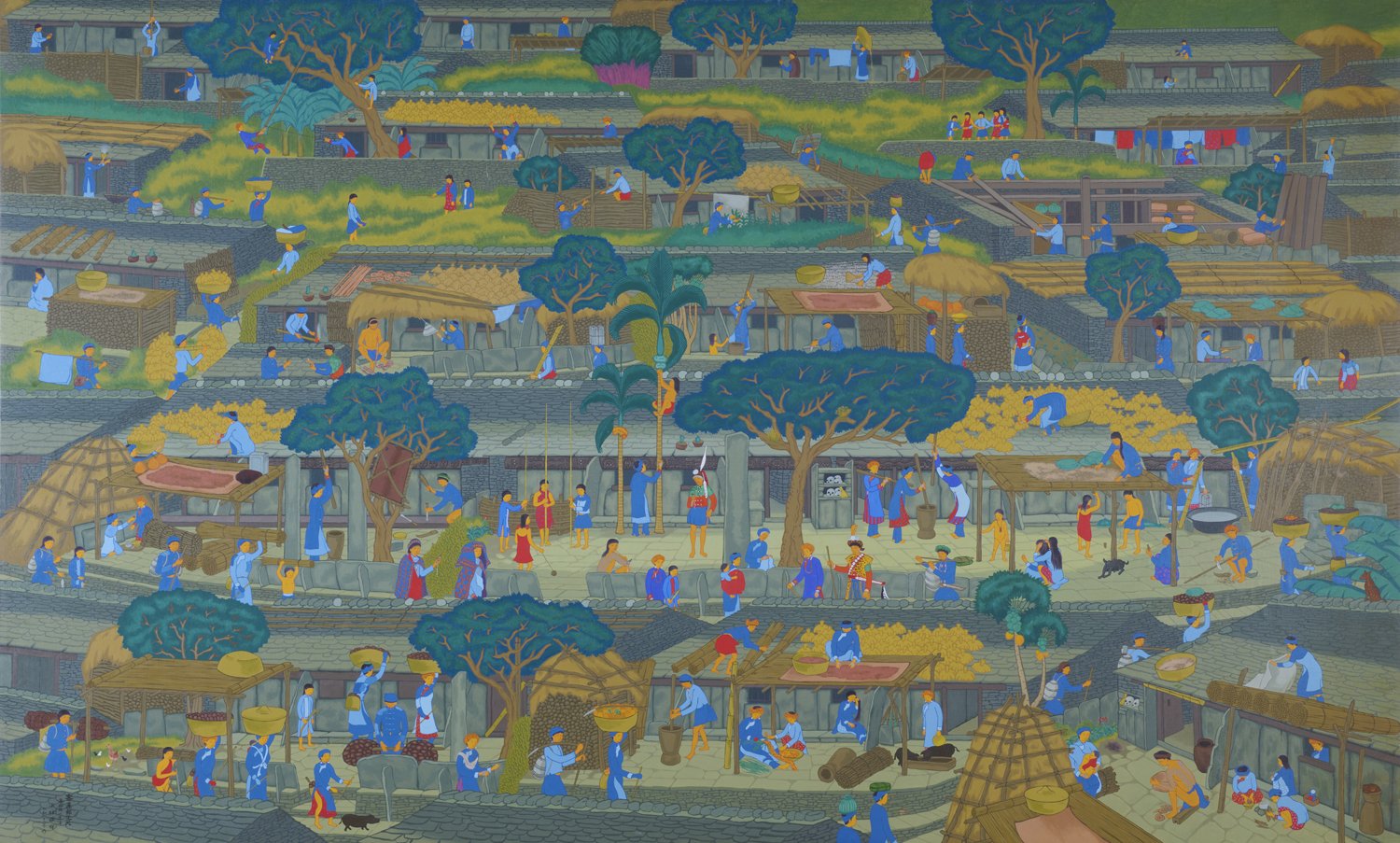
Kobayashi Yasuyoshi, Life of Indigenous Peoples of Taiwan, 1940-45, The Hiratsuka Museum of Art
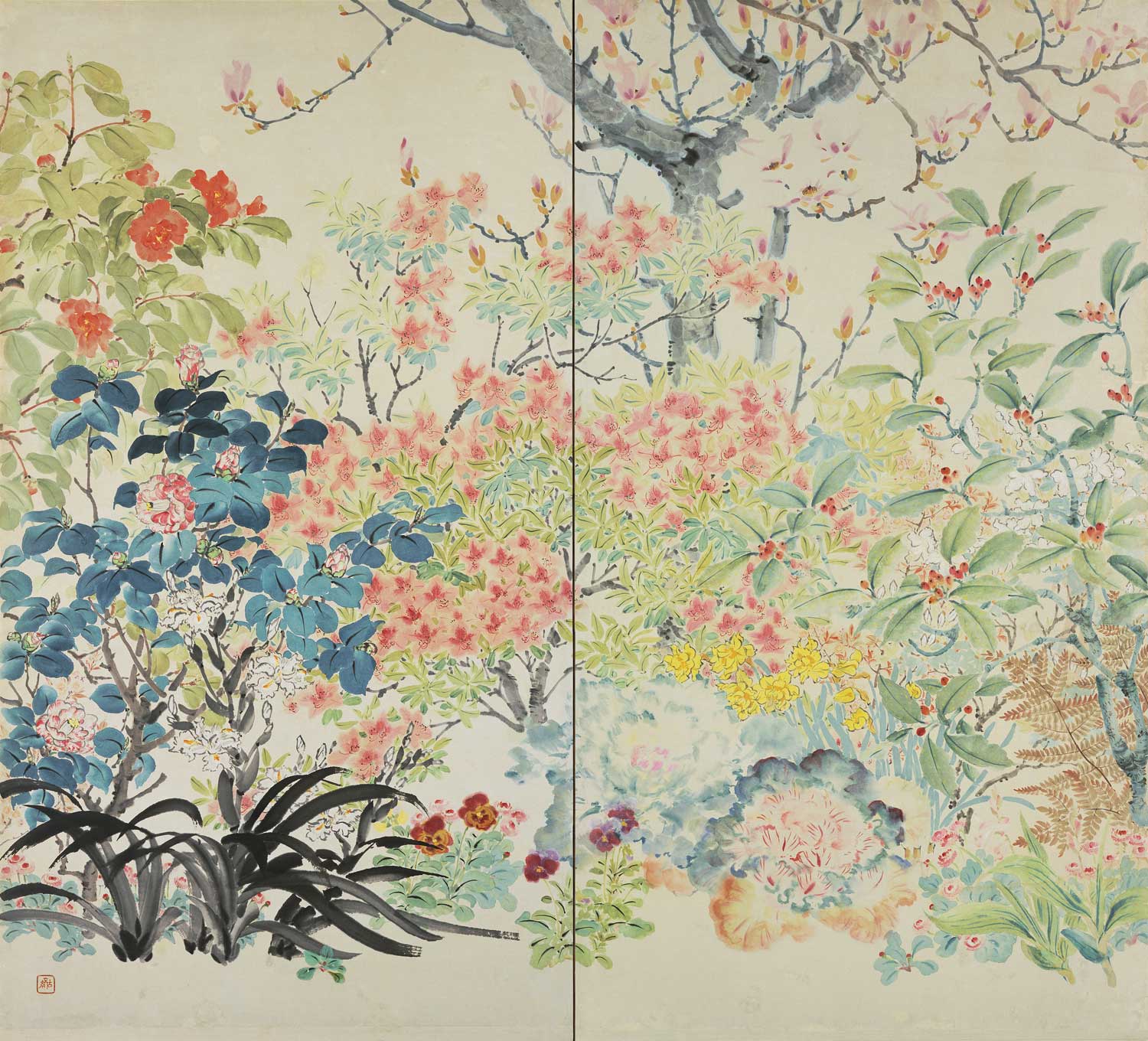
Gobara Koto, Garden of Spring, 1937, Taipei Fine Arts Museum
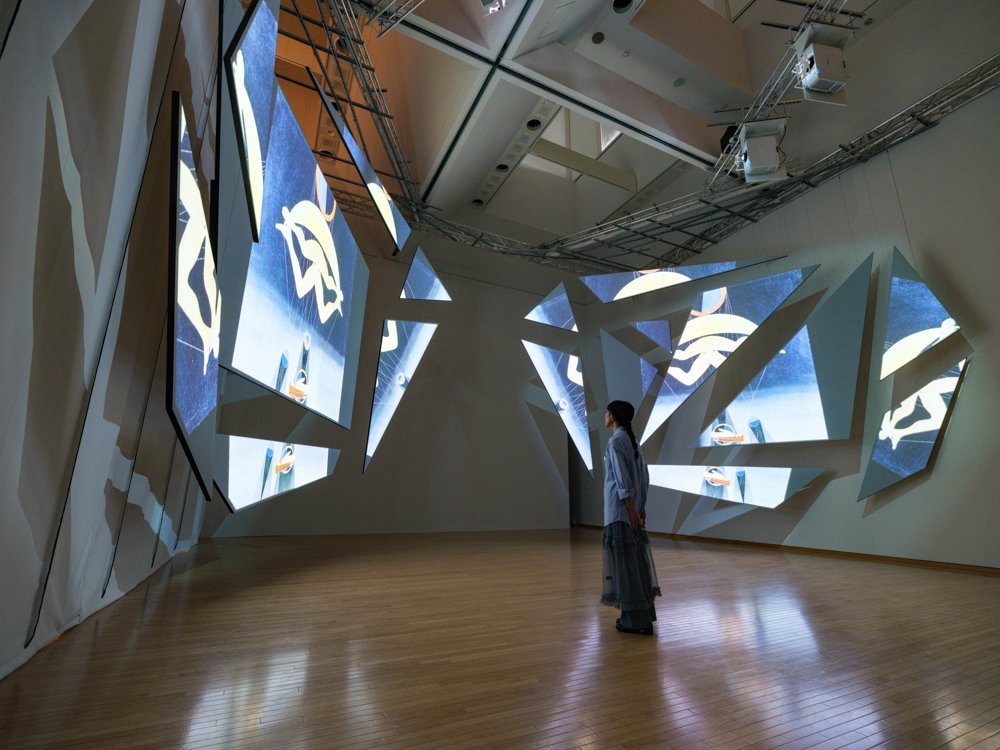
Huang Ya-li, Lee Kuo-han, Synchronic Constellation Video 04, 2026 Collection of the artist
Chapter 5: Who painted it / had it painted?
Beginning in the early twentieth century, Japan embarked on the modernization of Taiwan under its rule, gradually strengthening its control over the island’s administration, economy, and culture. Especially from the 1930s onward, the ko-minka policy*1 was increasingly enforced in Taiwan as the Empire intensified its military expansion abroad, further accelerating wartime mobilization. With the escalation of the Sino-Japanese War into full-scale conflict in 1937, ideological and speech controls tightened further in both Japan and Taiwan. Art and literature were likewise incorporated into the wartime regime and called upon by the state to fulfill a range of roles.
Following the establishment of the Nihon Bungaku Ho-kokukai (Patriotic Association for Japanese Literature)*2 in Japan in 1942, the Taiwanese Writers’ Association was reorganized the following year as the Taiwan Bungaku Ho - kokukai (Taiwan Literature Patriotic Association). Its counterpart in the visual arts, the Taiwan Bijutsu Ho-kokukai (Taiwan Art Patriotic Association), was formed at the same time. While participating in these activities, writers also began responding to the demands of the times by writing in Japanese and producing works that reflected the period’s realities. The tension between responding to institutional demands and pursuing their own aesthetics is evident in their works where resistance and compromise were closely intertwined.
War was explored not only in the visual arts but also in literature, music, and other forms in both Japan and Taiwan. While some artists joined the military, others depicted life on the home front and scenes of soldiers departing for battle. Other works show young members of Taiwan’s Indigenous peoples being sent to the front as Takasago Volunteers.*3 They reveal how people who had been positioned under colonial rule were mobilized for war as the ko-minka policy unfolded. Some of the works also sought to incorporate personal perspectives and emotions while working within the conventions and forms of the period.
1: An assimilation policy implemented by the Japanese colonial government in Taiwan with the aim of transforming the local population into ko-min (subjects of the Japanese Empire).
2: A wartime literary organization formed in 1942 that brought together writers under the guidance of the Intelligence Bureau.
3: A military unit composed primarily of Indigenous Taiwanese men formed during the final years of Japanese rule and mobilized for service on the Southern Front and elsewhere.
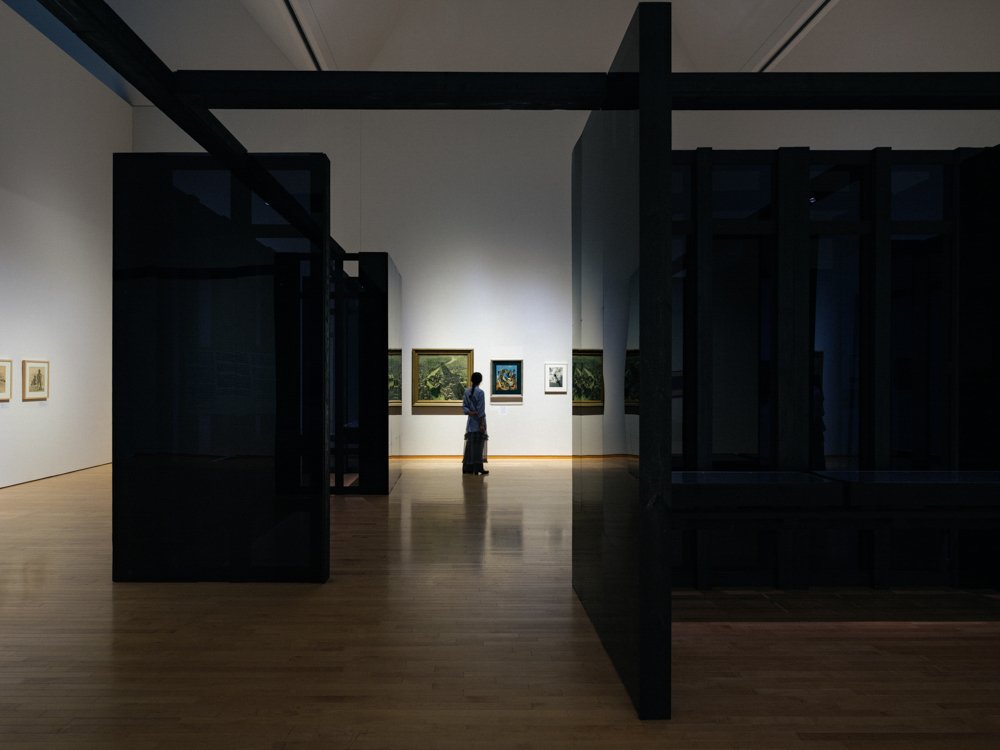
Installation view 5 Who painted it / had it painted? Photo: ookura hideki | KUROME photo studio
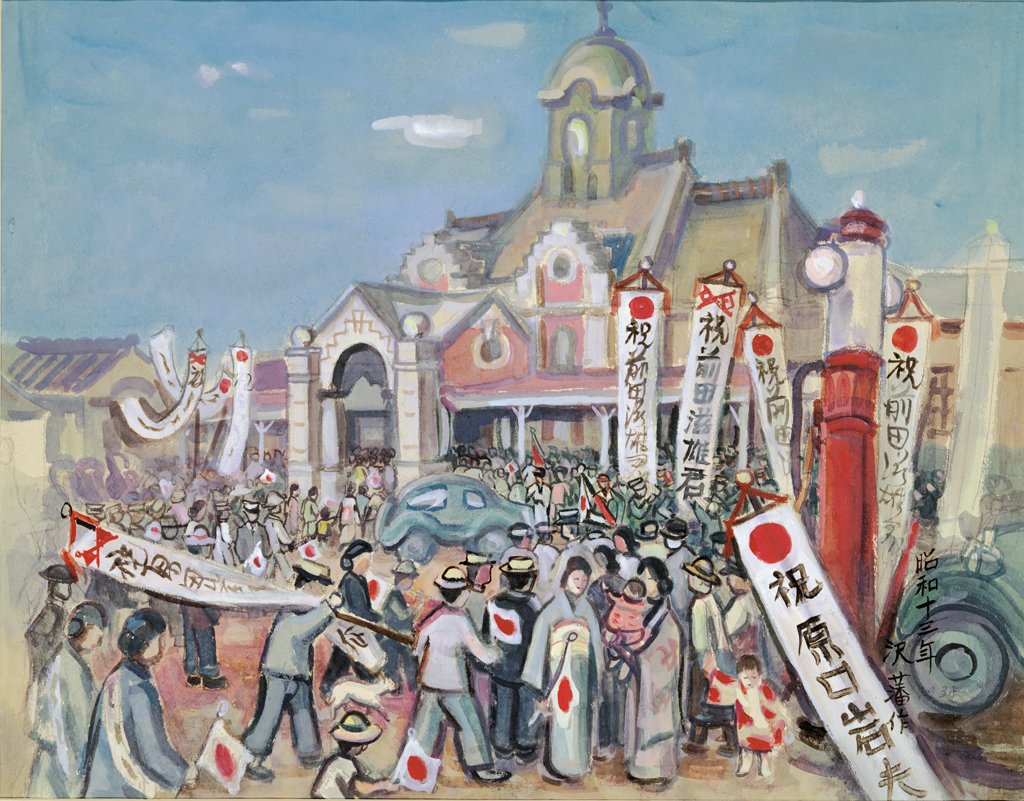
Lee Tze-fan, Seeing the Soldiers Off, 1938, Tze Fan Lee Memorial Art Gallery
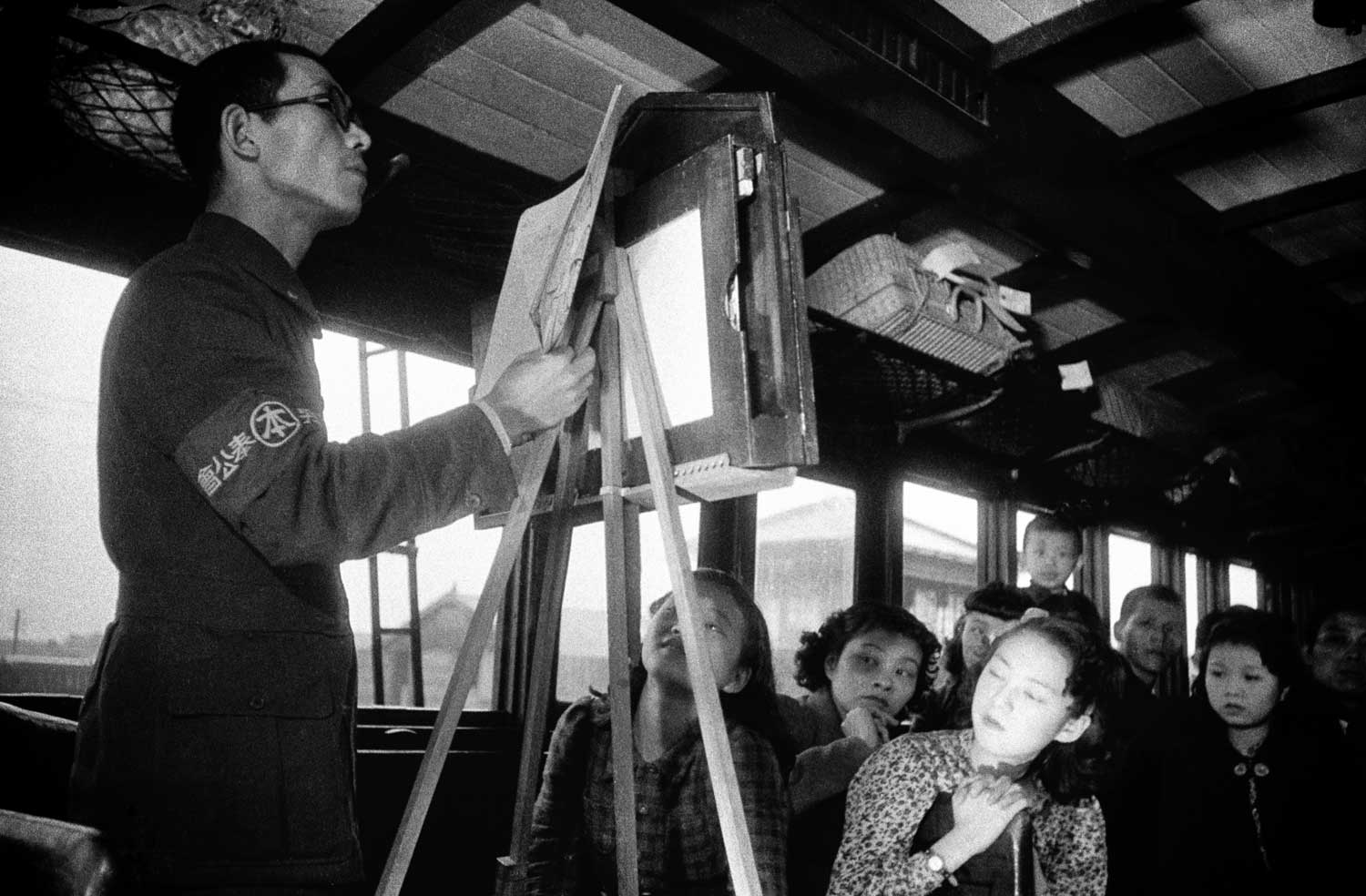
Deng Nan-guang, Civilian Preparedness Program in Train, 1940s, printed later, Soka Art Museum
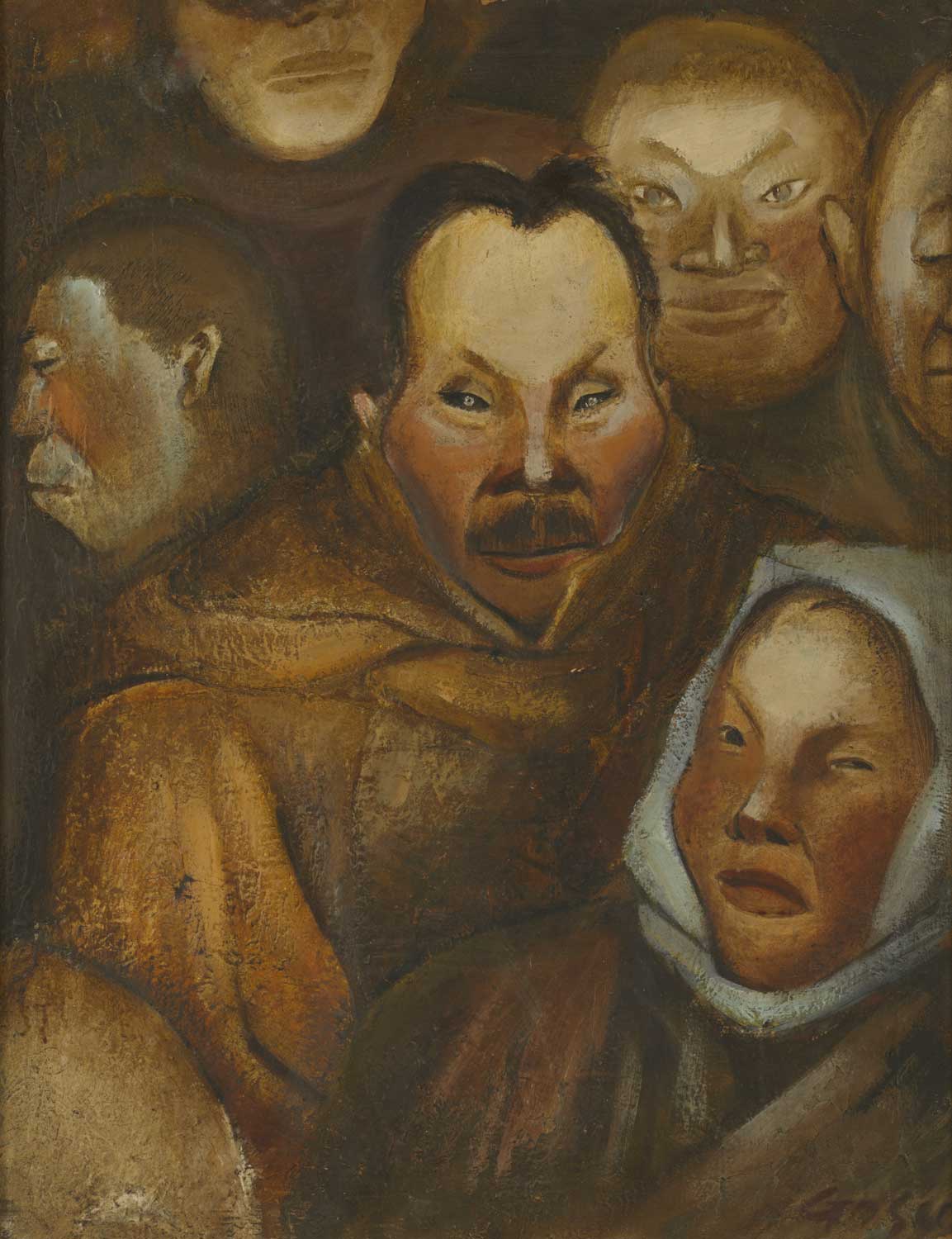
Abe Gosei, Faces, 1937(1935?), Museum of Contemporary Art Tokyo (Gift of Mr. FUKUTOMI Taro and Ms.NAKAMURA Kumiko)
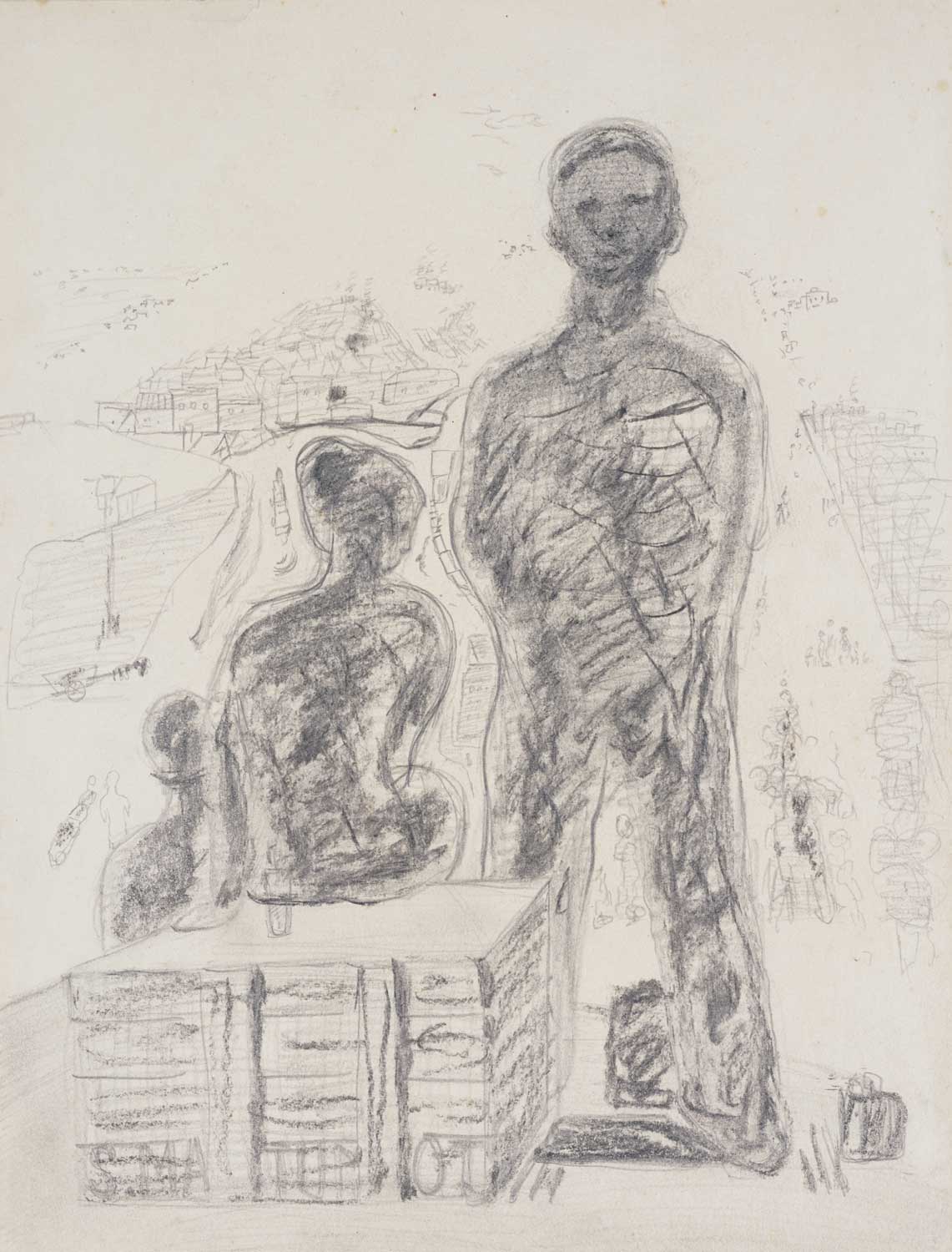
Matsumoto Shunsuke, Portrait of the Artist, c.1941, Museum of Contemporary Art Tokyo
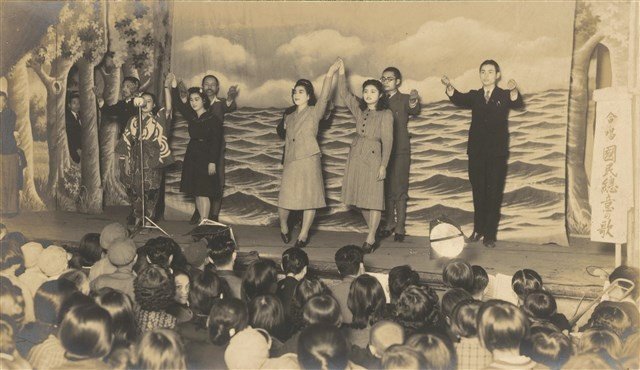
Lin Shou-yi, Imperial People’s Public Service Association, 1937, National Center of Photography and Images
Chapter 6: The Long White Night
In 1945, World War II ended with Japan’s defeat, and Taiwan and its former colonial ruler each entered a new postwar era. In Japan, reconstruction began amid the ruins, and although everyday life remained difficult, public discourse and the arts gradually regained their vitality. As democratization progressed, artists explored memories of war, questions of society, and human dignity through their respective forms of expression. In Taiwan, the end of Japanese rule marked the beginning of administration under the Republic of China, with expectations for a new society running high. Just as in Japan, newspapers and magazines were launched one after another, while a wide range of creative activities, including art, literature, photography, and theater, experienced a revival. Creative minds in Taiwan and Japan responded to the postwar era from their own perspectives, seeking to give culture a fresh start.
In Taiwan, however, that hope soon started to falter. The February 28 Incident*1 of 1947 and the ensuing White Terror*2 cast a dark shadow over Taiwanese society as a whole, while martial law continued for nearly forty years. The works and activities of many writers and artists who pioneered modern Taiwanese culture during the Japanese colonial period were severely suppressed. Among those who lost their lives were the painter Chen Chengpo; 'Uyongu– Yata'uyungana, a leader of Taiwan’s Tsou people and an artist; Li Chang-jui of Le Moulin; the playwright Jian Guo-Xian; and the printmaker Huang Rung-tsan. Yang Kui, Yang Chih-chang, Lu Ho-jo, Yeh Shih-tao, and many other artists, writers, and theater professionals, as well as their families in some cases, were imprisoned, placed under surveillance, or forced into exile, compelling them to remain silent for a long time. The materials featured in this chapter, including manuscripts and letters, reveal how political power profoundly disrupted the daily lives of ordinary people. Furthermore, under martial law, cultural policies promoting “Chinese cultural orthodoxy” placed significant restrictions on what could be expressed.
Such a political climate of the period inevitably left its mark on the work of individual artists. However, they responded to these conditions in different ways. The works featured in this chapter reflect the diverse responses and choices of artists, each shaped by the circumstances of their creation, the subjects they address, and their modes of expression, while revealing their unwavering commitment to their practice even in difficult times.
1: The incident began with anti-government protests across Taiwan amid growing dissatisfaction with Kuomintang rule, which the government responded to by deploying the military, resulting in numerous casualties.
2: A general term for the political repression carried out by the Kuomintang government under martial law from 1949 to 1987. People regarded as dissidents were subject to arrest, detention, and execution, while freedom of speech and publication was severely restricted.
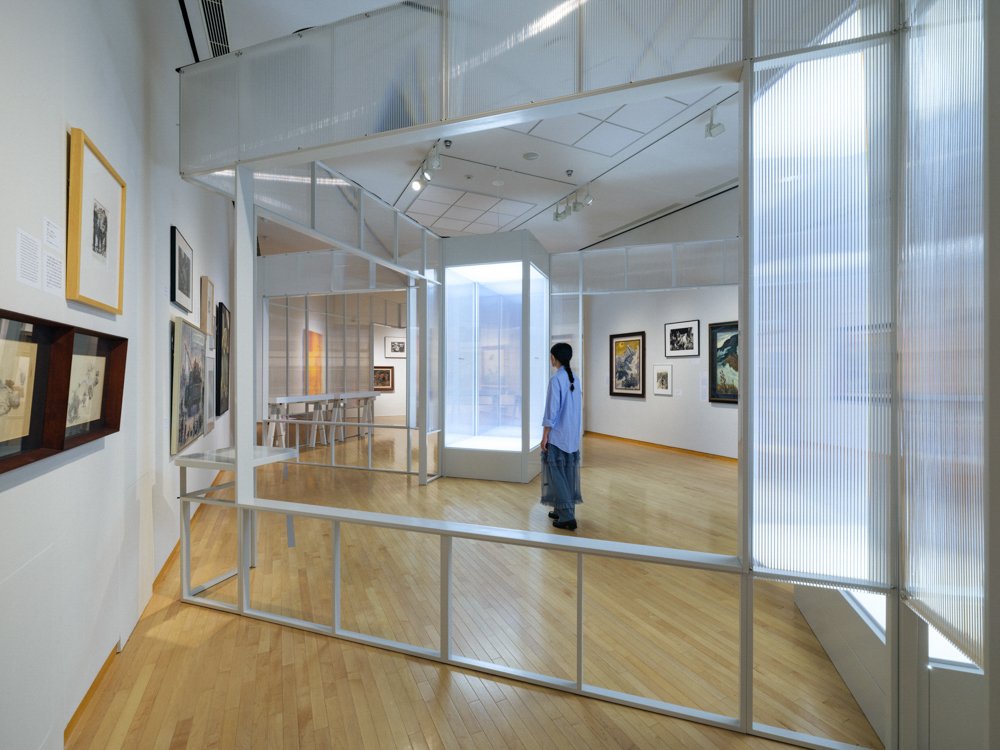
Installation view 6 The Long White Night Photo: ookura hideki | KUROME photo studio
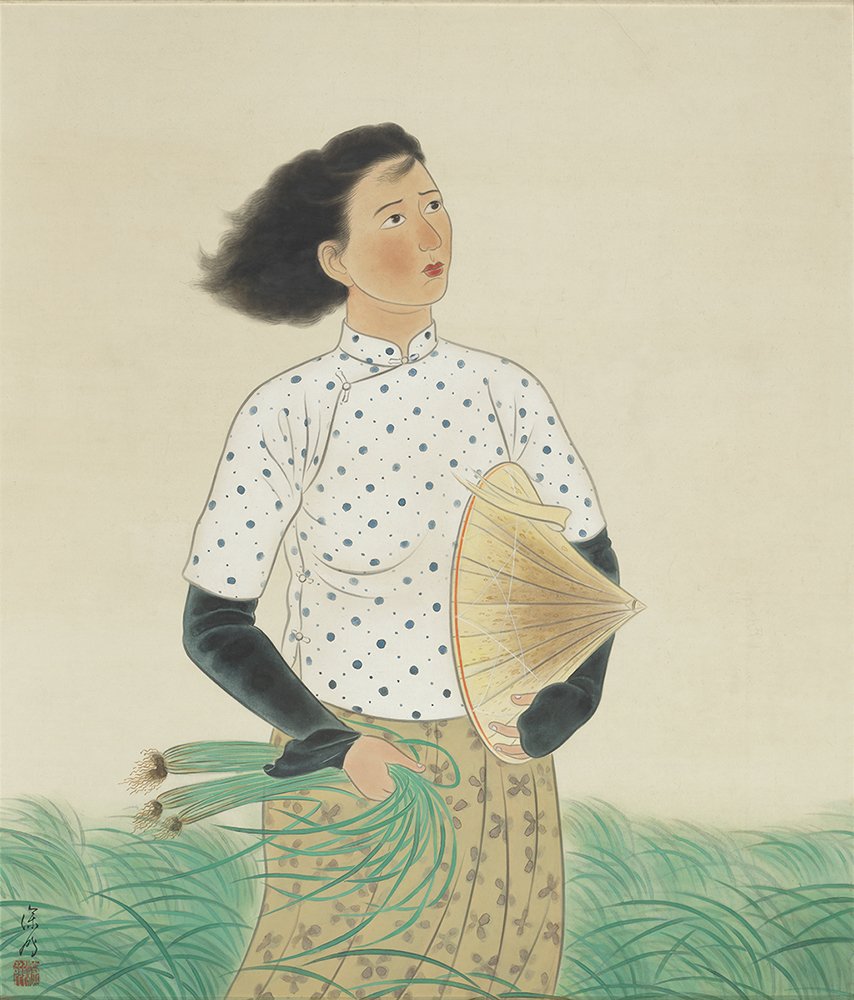
Hsu Chen-Chou, Aoarashi (Rising Wind), 1953, Taoyuan Museum of Fine Arts
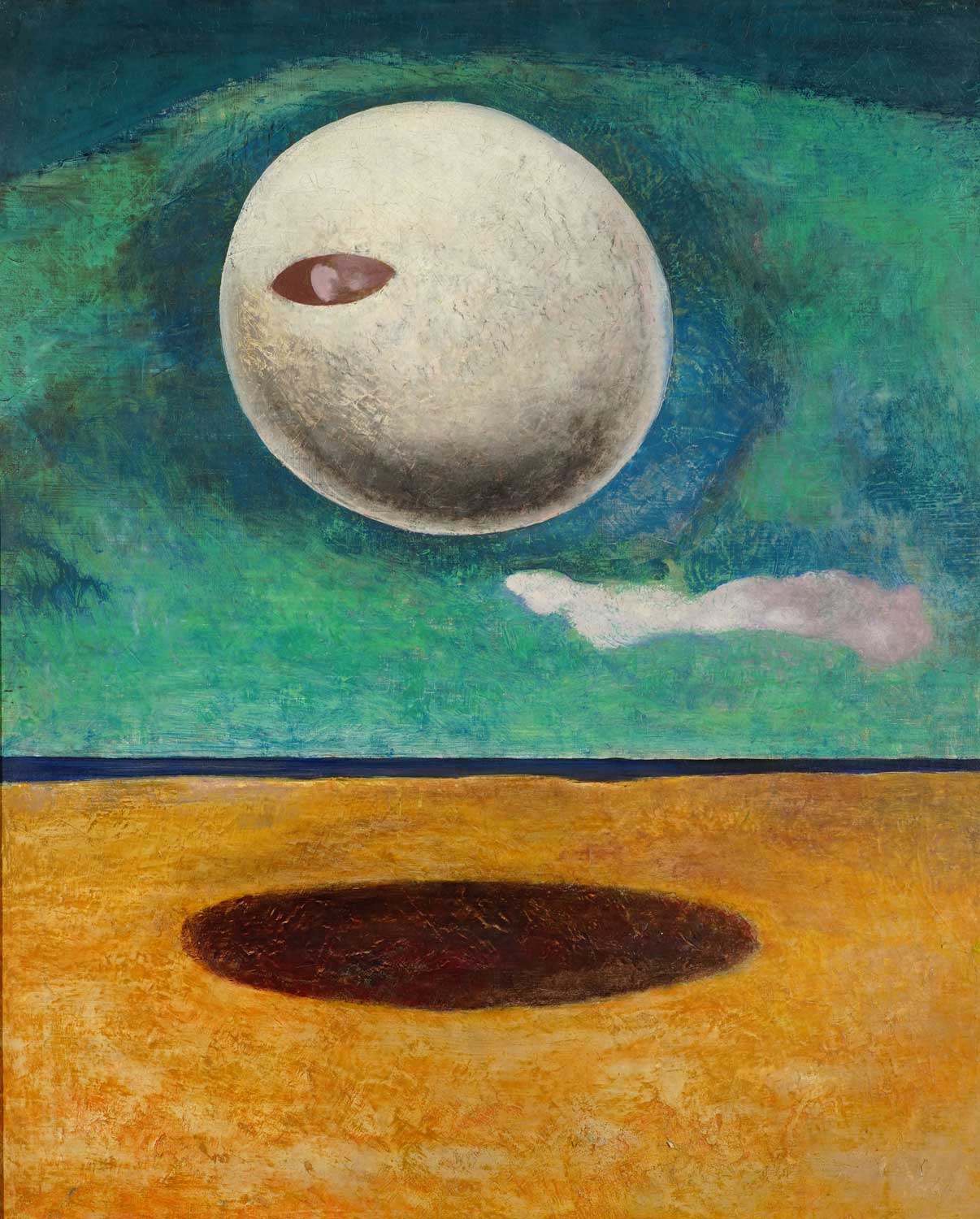
Tateishi Tetsuomi, Solitude, 1950, Collection of Tateishi Teruo
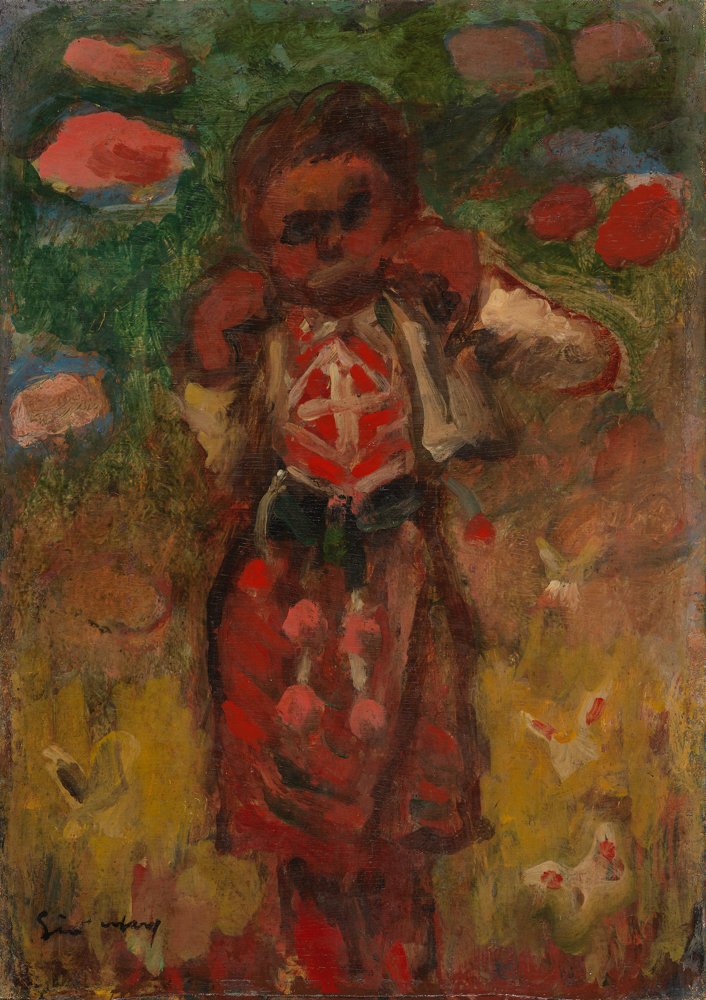
Shiotsuki Toho, Lubuw (Jew's harp), 1946–1954, Taoyuan Museum of Fine Arts
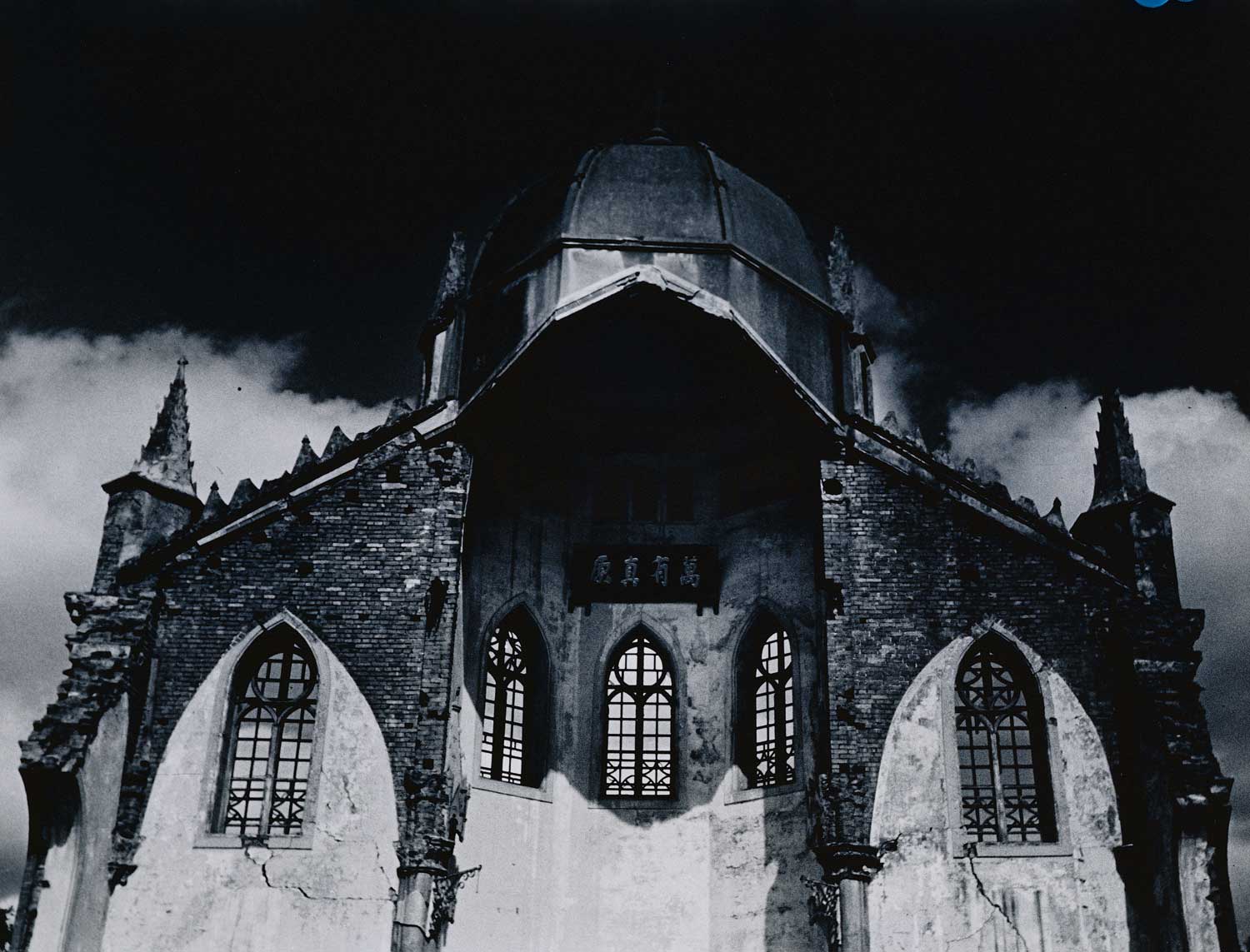
Chang Tsai, Bombarded Catholic Church, 1946, Taipei Fine Arts Museum
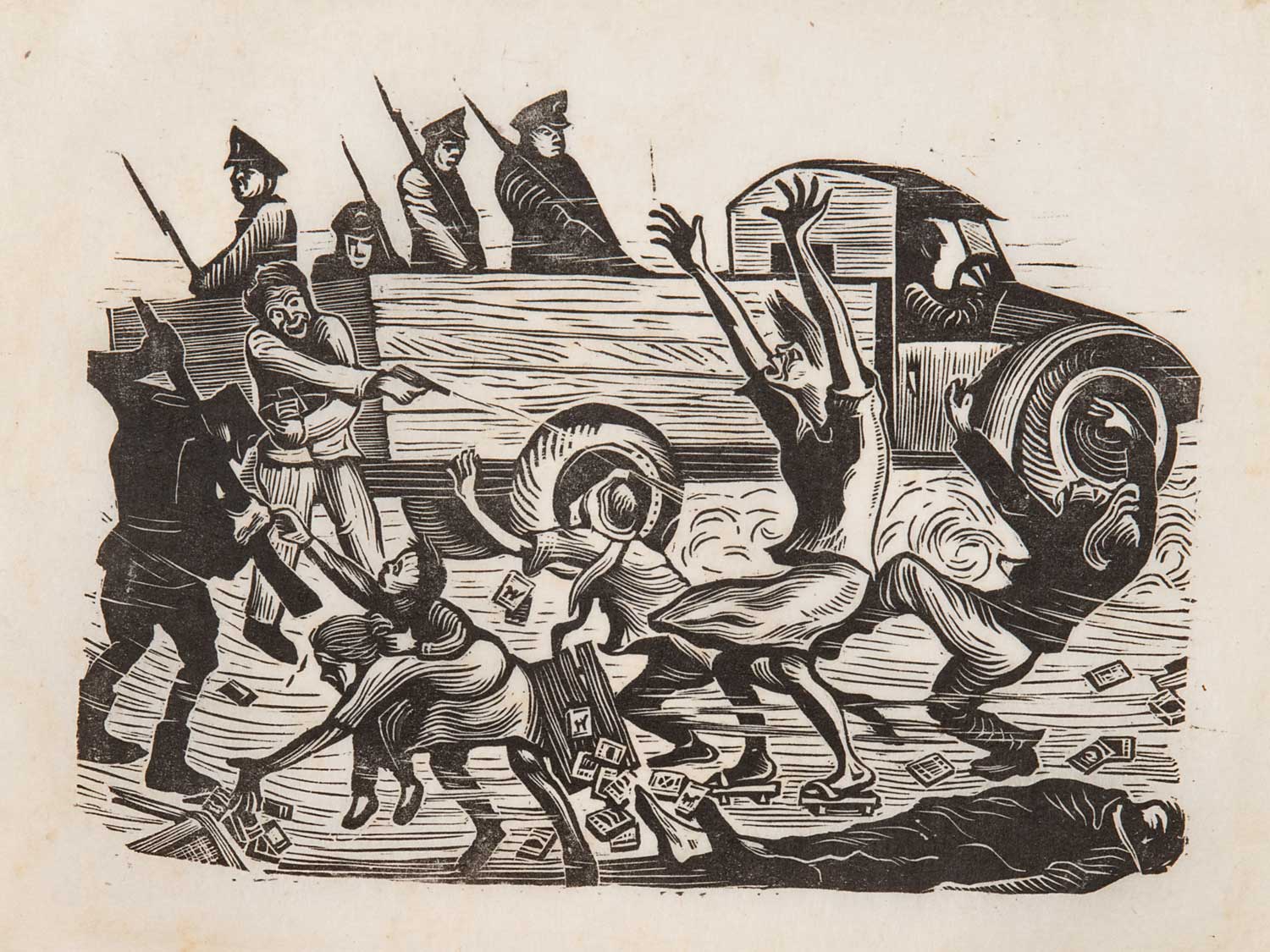
Li Jun / Huang Rung-tsan, The Horrifying Inspection: The February 28 Incident, 1947, The Museum of Modern Art, Kamakura & Hayama
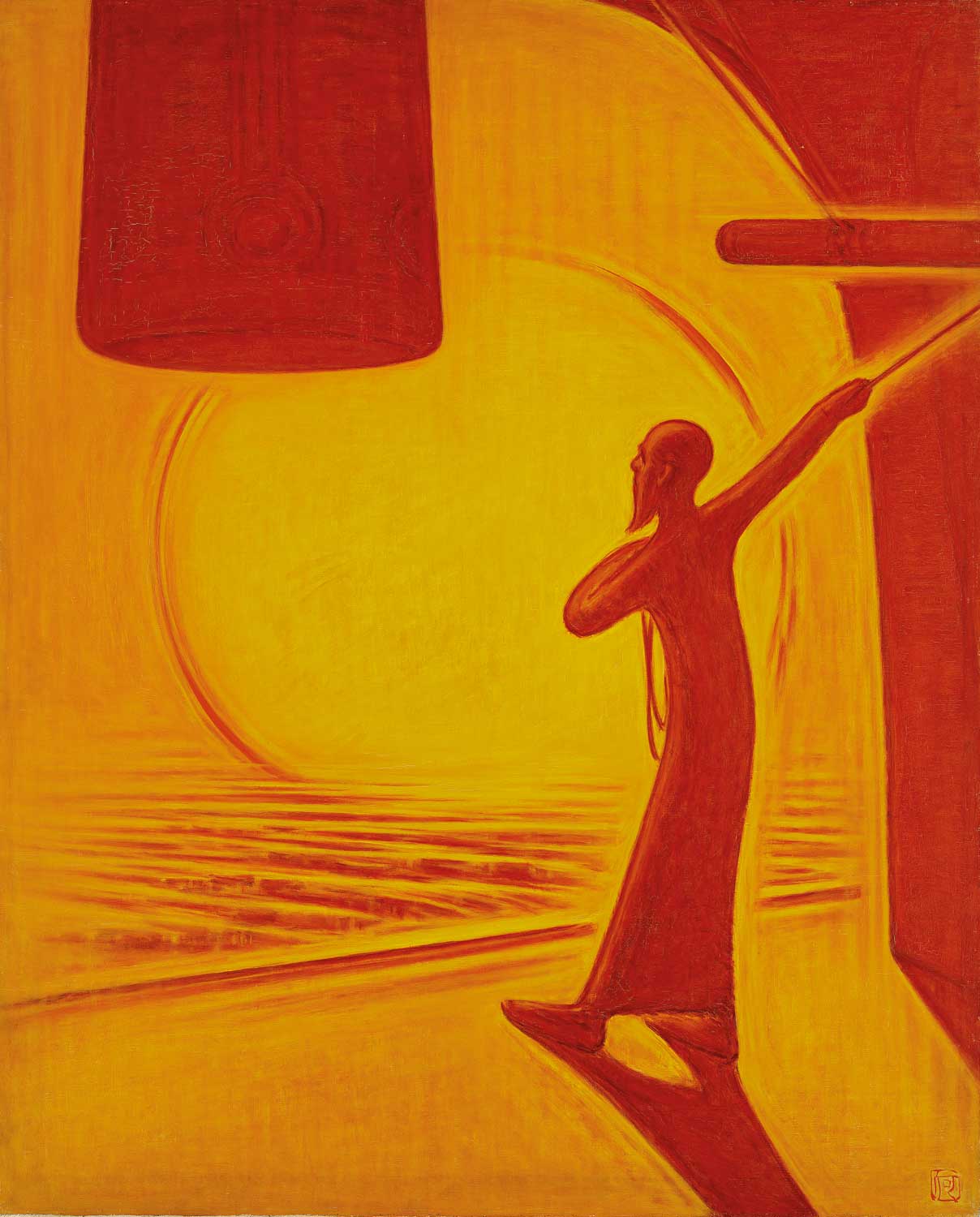
Ho Te-lai, Tolling at Sunset, 1951, Taipei Fine Arts Museum
Information
- Exhibition Period
September 5 – December 13, 2026
- Opening Hours
10 AM – 6 PM (Tickets available until 30 minutes before closing)
*Open until 8 PM on Fridays in November- Closed
Mondays (except Sept 21, Oct 12, Nov 23), Sept 24, Oct 13, Nov 24
- Venue
Museum of Contemporary Art Tokyo, Exhibition Gallery 1F/3F
- Admission
Adults: 2,000yen
University & College Students, 65 and over: 1,400yen
High School & Junior High School Students: 800yen
Elementary School Students and younger: Free*20% discount is available for groups of 20 people or more.
*Ticket includes admission to the MOT Collection exhibition starting from September 19.
*All elementary school students and younger must be accompanied by a guardian.
[Silver Day]
Visitors aged 65 and over receive free admission on the third Wednesday of every month upon presenting an ID at the ticket counter.
[Family Day]
Guardians of children under 18 receive half-off admission on the third weekend (Sat/Sun) of every month. Up to two visitors. Please present an ID showing Tokyo residency.
[Students Day supported by Bloomberg]
Free entry for students on October 10 – 12. A Valid ID is required.
[Autumn Night Museum 2026]
Special Discount for Admissions After 5 PM on Fridays in November until 8 PM.
Students: Free with valid identification / Adults & visitors aged 65 and over: 20% discount with valid identification
Online TicketsOnline tickets allow one visitor per ticket to enter once during the exhibition period without a date/time reservation. No cancellations or changes can be made after purchase. Same-day tickets are also available at the museum ticket counter.- Organized by
Museum of Contemporary Art Tokyo operated by Tokyo Metropolitan Foundation for History and Culture and Roots Films Ltd.
- Special cooperation by
Tainan Art Museum, Taipei Fine Arts Museum, National Taiwan Museum of Fine Arts, National Museum of History, National Museum of Taiwan Literature, National Museum of Taiwan History, Soka Art Museum, Taoyuan Museum of Fine Arts, Taipei Zhongshan Hall Management Office
- Grants from
Ministry of Culture (Taiwan), Ministry of Foreign Affairs (Taiwan), Hakka Affairs Council, Taiwan Reform Foundation, Advantech Foundation, Tianmei Art Foundation

- With the special sponsorship of
Applied Optoelectronics, Inc., SGC CO., LTD.

- With the sponsorship of
CTBC Bank, Tokyo Star Bank, TS Financial Holding Co., Ltd., CHYI DING TECHNOLOGIES CO., LTD., SHENGCHU INTERIOR DESIGN CONSTRUCTION & ENGINEERING CO., LTD., Trust Measurement Technology Corp., Te Lung Trading, SLEEPY TOFU, Kinmax Technology, Zhen Qian, Yoki Plastic Industrial, EDOM Technology, WT Microelectronics, NISDOM Industrial, Tai Engineering, Qunli Electronic Technology, USUN Technology, Easy Field Corporation

- Cooperation by
TAIWAN TSUTAYA, eslite spectrum nihonbashi
- Supported by
Japan-Taiwan Exchange Association
Exhibition Catalogue
Synchronic Constellation: Cross-Boundary Perspectives in Art Exhibition Catalogue
Scheduled to be published in November 2026
(Pre-orders scheduled to begin around October)
It will be available at bookstores nationwide and through online retailers.
Contents
Plates: Approximately 250 works from Taiwan and Japan; approximately 180 images of archival materials
Work descriptions for all the exhibited works
Essays (planned):
黄亞歴 Huang Ya-li, Guest Curator
郭昭蘭 Guo Jau-Lan, Associate Professor, Taipei National University of the Arts
林太崴 Lin Tai-wei, Musicologist (Taiwan music history)
陳允元 Chen Yun-yuan, Associate Professor, National Taipei University of Education *
劉柳書琴 Liu Shu-chin, Literature *
戸田昌子Toda Masako, Photography Historian
細井尚子 Hosoi Naoko, Professor, Department of Intercultural Communication, Rikkyo University
金島隆弘 Kaneshima Takahiro, Associate Professor, Kanazawa College of Art
西川美穂子 Nishikawa Mihoko, Curator, Tokyo Metropolitan Art Museum
鳥越麻由 Torigoe Mayu, Curator, Museum of Contemporary Art Tokyo
*Reprinted translation from Mandarin into Japanese, originally published in the 2019 Synchronic Constellations exhibition catalogue of the National Taiwan Museum of Fine Arts
Synchronic Constellation: Cross-Boundary Perspectives in Art Exhibition Catalogue
Languages: Japanese with selected sections in Mandarin and English
Design: Akiyama Shin (edition.nord)
Publication date: Scheduled for November 2026
Publisher: Kokushokankokai Inc
Exhibition Flyer (PDF)
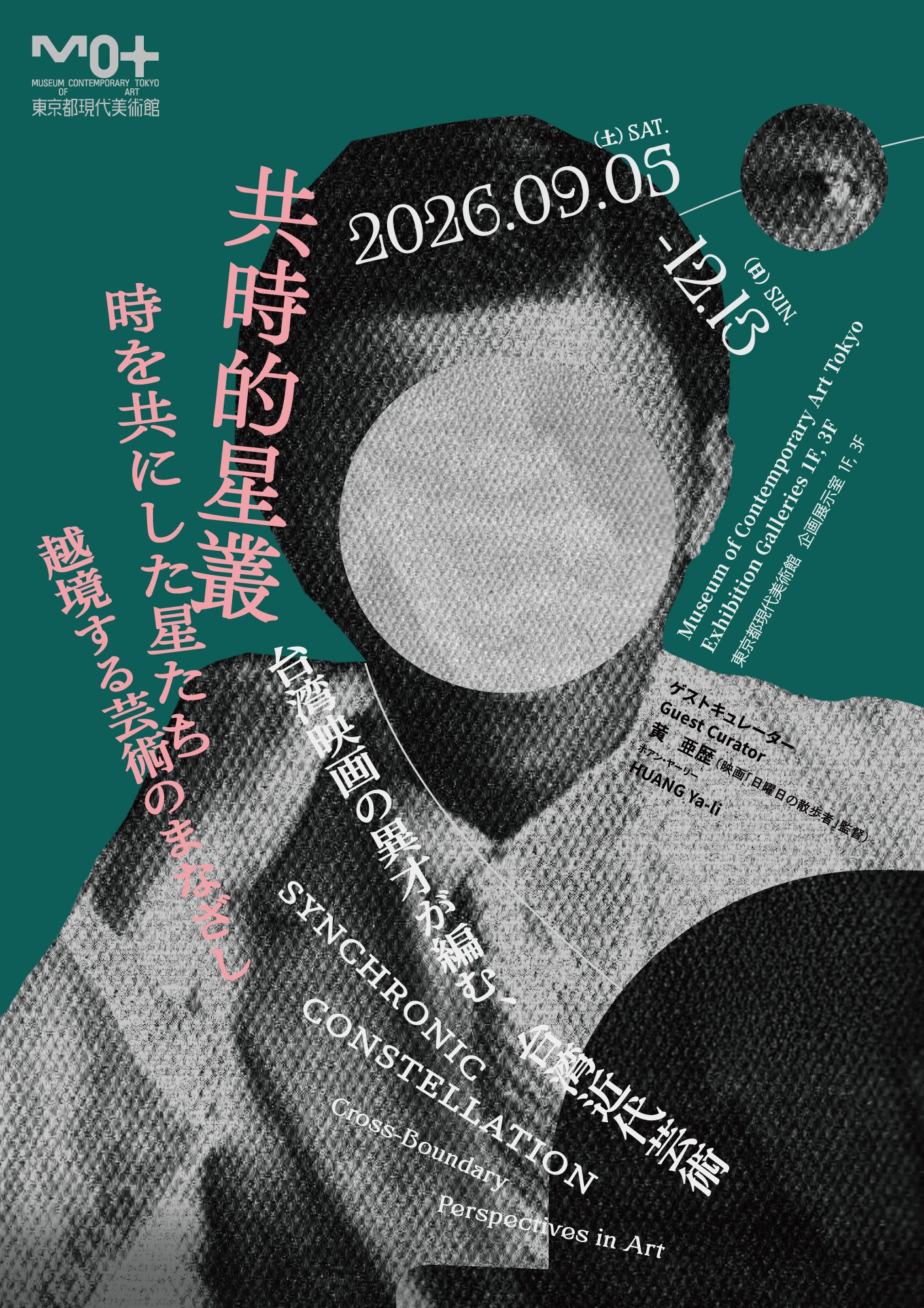
Flyer designed by Idealform Co. (front side) and Akiyama Shin / edition.nord (back side)